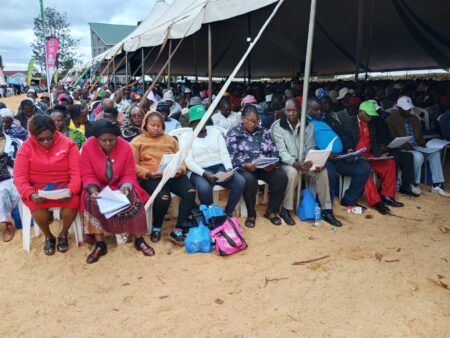










Cotton farmers and industry stakeholders in Lamu County have intensified calls for increased investment in local textile manufacturing, urging the government to reduce reliance on imported fabrics and strengthen Kenya’s cotton value chain under the “Buy Kenya, Build Kenya” campaign.
Speaking during a stakeholders’ forum convened by the Agriculture and Food Authority (AFA) in Mpeketoni, farmers said the growing popularity of cotton apparel in the coastal region was driven by the area’s hot and humid climate, which makes cotton clothing more comfortable and suitable for daily use.
The farmers noted that locally produced cotton garments have become increasingly preferred because they absorb sweat easily and help people remain cool while working in harsh weather conditions.
Among those who addressed the forum were cotton farmers Mary Mwangi, Samuel Kabutha and Mbakuli Hassan Mbakuli, who said cotton clothing had become essential for many residents, especially farmers spending long hours outdoors.
They observed that cotton fabrics are also ideal for school-going children because of their comfort and durability. The farmers appealed to both the national and county governments to facilitate the establishment of more textile factories in the region, including industries producing cotton-based footwear, uniforms and other apparel products.
The stakeholders further praised the collaboration between the government and private investors in revitalizing the cotton sector, saying the partnership had already created employment opportunities for youth and improved livelihoods in the region.

They attributed the renewed optimism in the industry to the introduction of BT cotton farming, which they said had significantly improved yields and increased household incomes for many farmers across Lamu County.
AFA Chairman Cornelly Serem challenged Kenyans to actively support local industries by purchasing garments made from Kenyan cotton instead of imported products.
Serem questioned the contradiction of demanding jobs for young people while continuing to purchase foreign-made clothing from countries such as China, Turkey and the United Kingdom.
He emphasized that the government had already adopted policies encouraging public officials to wear locally manufactured fabrics as part of efforts to grow the domestic textile sector and support local industries.
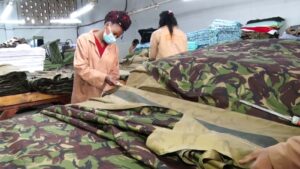
His sentiments were echoed by Tejal Dhodhia, Chief Executive Officer of Thika Cloth Mills who urged schools across the country to stop sourcing imported materials for school uniforms and instead buy fabrics manufactured locally.
Dhodhia said supporting Kenyan textile industries would not only strengthen local manufacturing but also create employment opportunities for young graduates entering the job market.
She also called on politicians to prioritize local textile companies when procuring campaign materials, noting that increased local orders would directly benefit cotton farmers and manufacturers.
Dhodhia commended the government for supporting local textile firms through procurement opportunities, adding that many uniforms used by Kenya’s disciplined forces are currently produced by Thika Cloth Mills.
Stakeholders at the meeting maintained that expanding local production, processing and consumption of cotton products would help boost farmers’ earnings, stimulate industrial growth and reduce Kenya’s dependence on imported textiles.
They said strengthening the cotton value chain in coastal counties would position the region as a major hub for textile production while contributing significantly to job creation and economic growth.