






Deputy President Kithure Kindiki has urged the Mt Kenya region to remain united and support the Kenya Kwanza administration, saying the region’s interests and position in government remain secure.
Dr Kindiki said political differences should not be allowed to undermine economic gains made by farmers in the region, particularly in the dairy sector, which he said had benefited from a raft of government interventions since President William Ruto took office.
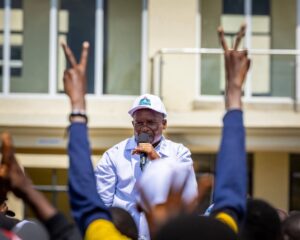
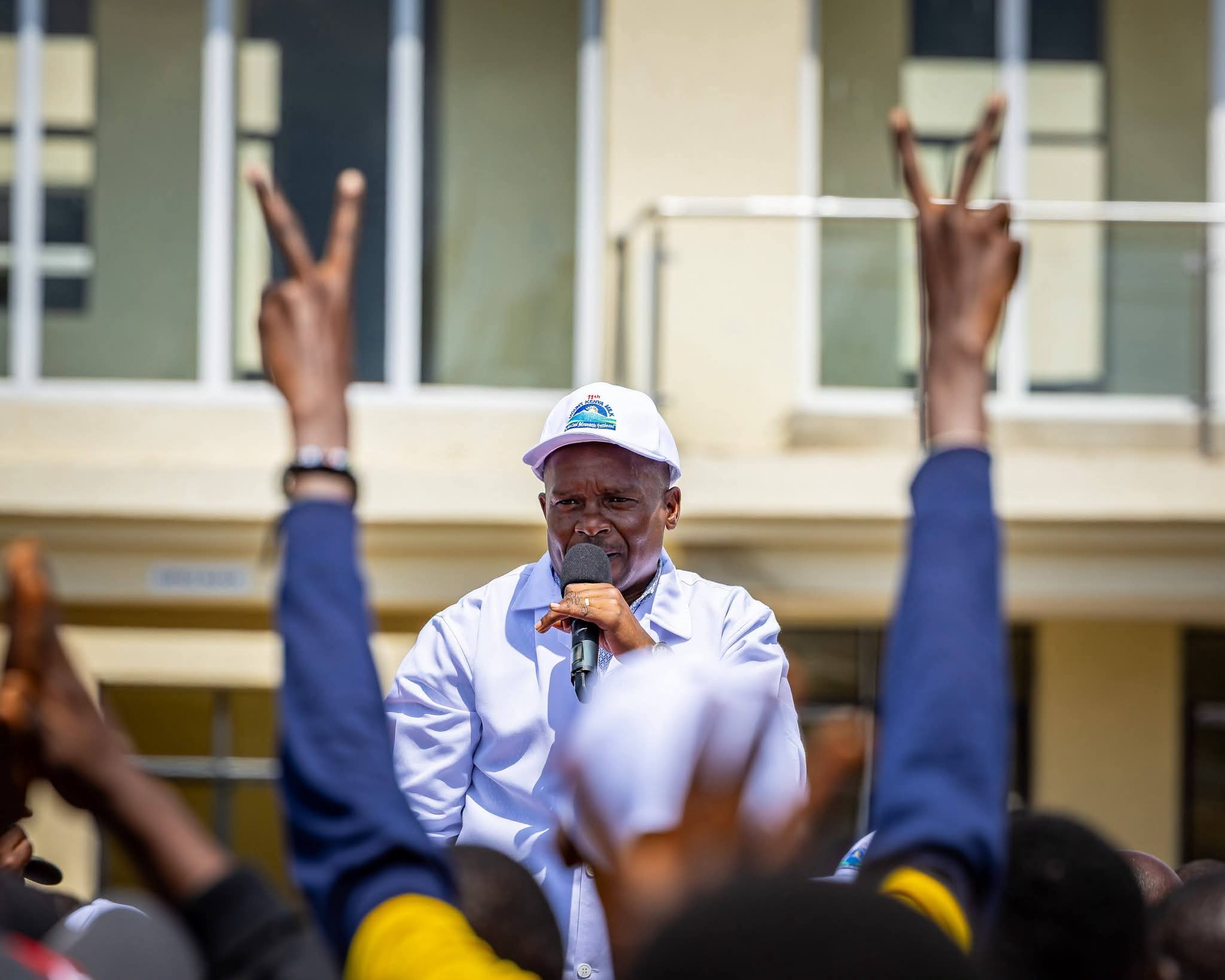
Speaking on Saturday during the 11th Annual Meru Dairy Farmers Field Day at the ASK Gitoro Showground in Meru, the Deputy President said residents of the region had a shared history and cultural heritage that should bind them together despite political differences.
“Those of us who come from this region, myself included, are one community. We have been one community since Independence. We have traded together and shared a common cultural heritage,” Dr Kindiki said.
His remarks came amid renewed political debate over the region’s future political direction and its relationship with the Kenya Kwanza administration.
Responding to those questioning his political future and the region’s place in government, Dr Kindiki maintained that Mt Kenya would remain part of the administration.
“The same government cannot be bad because the Deputy President comes from one region and become good when he comes from another region. It is not possible,” he said.
Using a metaphor, the Deputy President said the region should not abandon an administration in which it had invested political support.
“You do not build a house, complete it, furnish it, and then abandon it to go and live in the forest. That is not possible. We are not going anywhere. We are in government to stay,” he said.
Dr Kindiki also defended the administration’s record in the agricultural sector, saying its policies were beginning to improve farmers’ earnings and reduce production costs.
He said President Ruto had directed the National Treasury to release Sh100 million during the week towards the second phase of the Meru Dairy animal feeds factory.
The Deputy President further pledged an additional Sh100 million through the Supplementary Budget to facilitate completion of the factory’s expansion.
The project, he said, would help address the high cost of animal feeds, which has remained one of the biggest challenges facing dairy farmers.
Under the new arrangement, a 50-kilogramme bag of dairy feed is expected to retail at about Sh2,800, compared with the current market price of between Sh3,100 and Sh3,200.
Dr Kindiki said lowering the cost of feeds would enable farmers to retain a larger share of their earnings while improving milk production.
“Because feed prices will reduce, farmers will retain more profit, and we will continue introducing more measures to increase farmers’ earnings,” he said.
The Deputy President also announced an increase in the price paid to Meru Dairy farmers, saying that from August 1, farmers would receive Sh52 per litre after deductions, up from the current Sh50.
The annual bonus paid to farmers is also expected to rise to Sh54 per litre, he said.
Dr Kindiki attributed the improved returns to government measures targeting the dairy industry, noting that milk prices had risen from between Sh33 and Sh37 per litre in 2022.
He said the government was also working to improve access to sexed semen, a technology that enables farmers to increase the likelihood of producing female calves and consequently expand their dairy herds.
According to the Deputy President, the price of sexed semen had fallen from Sh7,000 before the current administration took office, although demand for the product had increased significantly among farmers.
He said efforts were underway to ensure adequate supplies were available to meet the growing demand.
The Deputy President spoke as the Meru Central Dairy Cooperative Union continued to expand its operations and membership, emerging as a key player in the country’s dairy industry.
He said the cooperative had grown to bring together 168 cooperative societies representing more than 161,000 farmers.
Annual milk production handled by the union has also increased significantly, rising from 83.6 million litres in 2020 to more than 220 million litres in 2025, Dr Kindiki said.
The Deputy President made the remarks after representing President Ruto at the official commissioning of Phase One of the Meru Maziwa Millers Feed Mill in Mitunguu, South Imenti Constituency.
He described the development as a major investment in the dairy value chain, saying the facility would support farmers by producing affordable and subsidised dairy cattle feeds.
The Meru Central Dairy Cooperative Union, he said, has become one of Africa’s leading milk processors, with a processing capacity of 670,000 litres a day.
The feed processing mill was constructed at a cost of about Sh500 million, including Sh200 million in government support.
The facility is expected to lower the cost of production for dairy farmers and improve their profit margins by providing more affordable feeds locally.
Dr Kindiki said the government’s support for the dairy sector was part of broader efforts to strengthen agricultural value chains and ensure farmers benefit more directly from their production.
He urged farmers to take advantage of the investments in milk processing, animal feeds and breeding technologies to increase productivity and household incomes.
The Deputy President also challenged political leaders seeking support in Meru to focus on their development record rather than political rhetoric.
He asked leaders who have been traversing the region seeking political backing to explain what they had done to improve the lives of residents and support the dairy industry.
“Those moving around Meru claiming to be important leaders should tell us what they have done for the people of Meru and how they helped increase milk prices for farmers,” he said.
Dr Kindiki’s remarks are likely to fuel debate over the political direction of Mt Kenya, a region that has traditionally played a significant role in Kenya’s national elections.
However, he maintained that the region’s political interests should be pursued alongside economic development, arguing that farmers should judge governments by the tangible benefits delivered to them.
He said the expansion of the dairy industry in Meru demonstrated the potential of targeted government investment to transform agriculture and improve the livelihoods of thousands of households.
The Deputy President called on farmers and their leaders to remain focused on increasing milk production, reducing input costs and strengthening cooperative societies, saying a profitable dairy sector would provide a more sustainable foundation for the region’s economic growth.