






A group of Kikuyu elders has condemned remarks made by Kiama Kiama elders over the physical development of circumcised boys, warning that public discussion of minors’ intimate body parts could expose them to ridicule, embarrassment and undermine their self esteem.
The Mihiriga Kenda elders said comments made during a circumcision ceremony in Ruiru last week, in which the elders reportedly attributed the alleged shrinking of boys’ male organs to prolonged use of diapers, were inappropriate, humiliating and an affront to the dignity of the initiates.
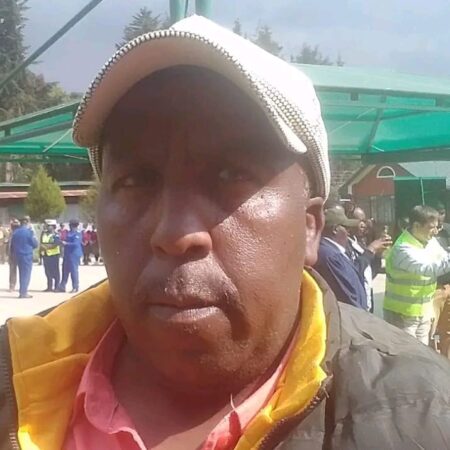
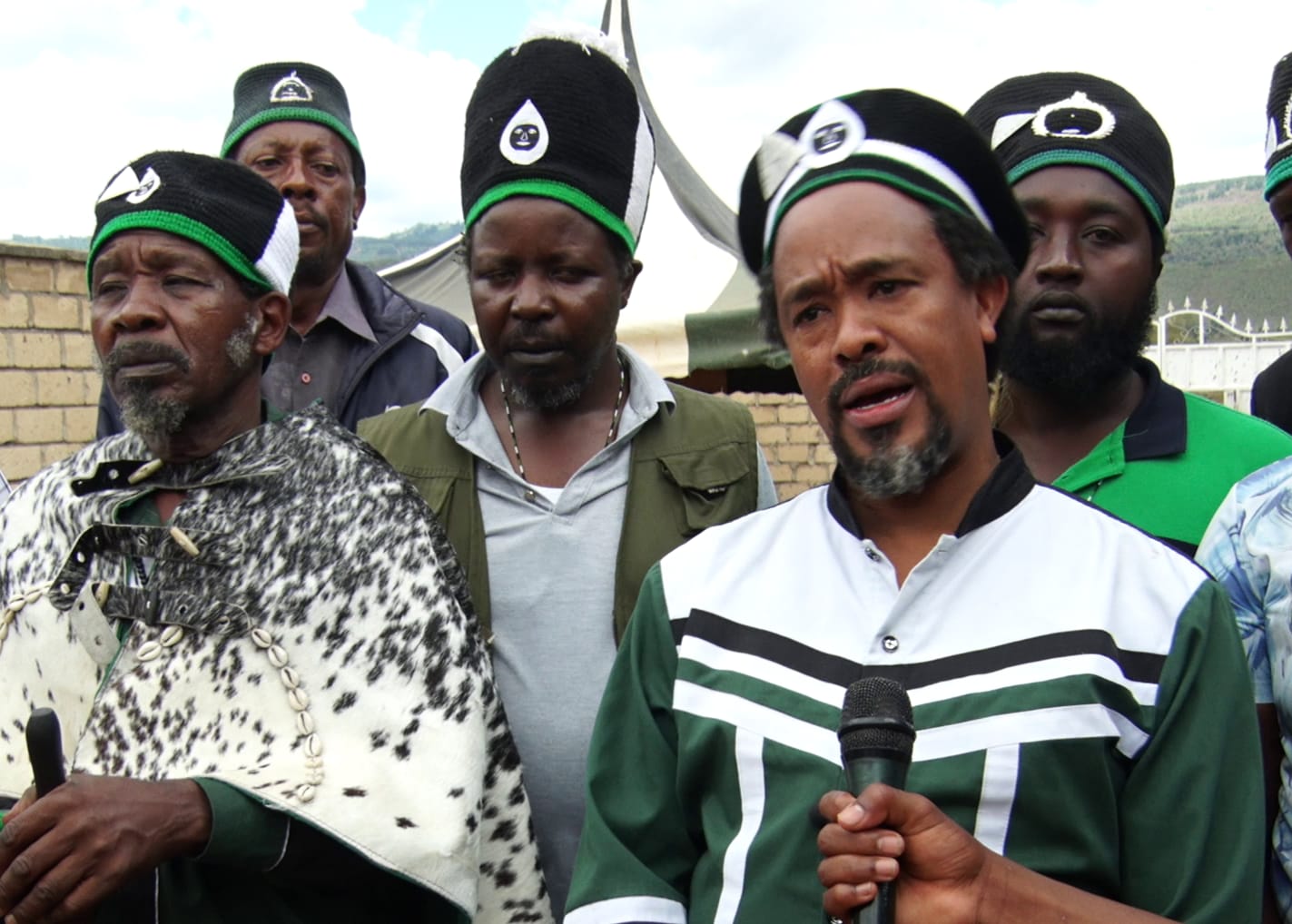
Speaking during a ceremony marking the release of 45 circumcised boys after a mentorship programme, the elders, led by Kamau wa Kirigi, faulted the public remarks, arguing that matters touching on children’s private body parts should be handled with sensitivity and respect rather than turned into public debate.
Kirigi questioned the wisdom of discussing such intimate matters in public, particularly in settings where children and girls were present, warning that the comments could have lasting psychological and social consequences for the boys.
“We cannot discuss an adult’s private parts in public, so why would anyone discuss those of young boys in front of children and girls? Where will these boys go tomorrow?” he questioned.
His concerns were echoed by Karonjo wa Njau, who said cultural values and personal dignity demanded restraint when dealing with matters concerning the human body.
He cautioned against turning sensitive cultural discussions into public spectacle, including through social media, saying such remarks risked humiliating young people at a formative stage in their lives.
“Every community has matters that should remain private. When we publicly discuss children’s private parts, whether on social media or elsewhere, we are humiliating them. These are the boys we expect to become fathers in future, and such remarks are completely unacceptable,” said Karonjo.
The elders also argued that people should not be subjected to ridicule over their physical attributes, insisting that every individual was created by God and deserved respect regardless of their bodily features.
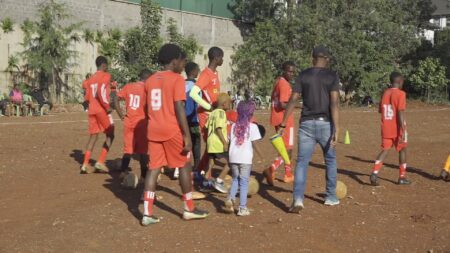
Muthamaki Kiambuthi wa Macharia said the mentorship programme was intended to prepare the initiates for adulthood by instilling discipline, cultural values and responsible behaviour.
He said the boys had been cautioned against alcohol consumption, drug abuse and other social vices, while being encouraged to embrace lifestyles that would enable them to become responsible members of society.
The elders said they had also emphasised the importance of respecting parents, elders and other members of the community, maintaining discipline and promoting peaceful coexistence.
The mentorship exercise, which lasted about one and a half weeks, focused on traditional teachings, cultural identity, personal responsibility and the expectations placed on young men as they transition into adulthood.
The elders, however, extended their concerns to the country’s political landscape, condemning the recruitment and mobilisation of young people to disrupt political gatherings and intimidate rival political leaders.
They warned that political leaders who mobilise youths for confrontations were exposing them to serious risks, including injuries, fatalities and destruction of property, in pursuit of political interests.
Wairimu wa Mumbi expressed concern over what she described as the exploitation of young people by politicians, saying it was unfair for leaders to send youths into dangerous confrontations while shielding their own families from similar risks.
She said young people should not be turned into instruments of political rivalry, urging politicians to promote peaceful engagement and respect for democratic processes instead of encouraging violence.
The elders called on the newly circumcised boys to steer clear of political hostility, embrace peace and focus on building their futures, saying the transition into adulthood should be marked by wisdom, discipline and responsibility rather than violence and social conflict.