









A proposed amendment to Kiambu County’s alcohol control law has opened a fresh debate on how the county can tackle illicit brews and rogue drinking outlets without undermining legitimate businesses and traditional cultural practices.
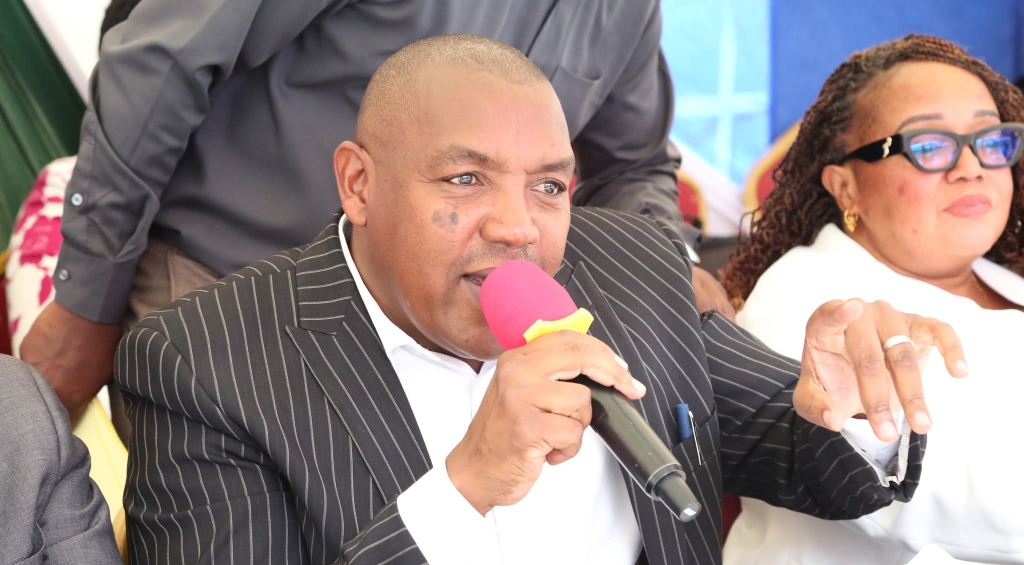
The Departmental Committees on Public Service and Administration and Youth, Sports and Social Services held joint public hearings on the proposed Kiambu County Alcoholic Drinks Control (Amendment) Bill, drawing submissions from a wide range of stakeholders.
The hearings brought together social activists, alcoholic drink manufacturers’ representatives, retailers, bar owners, Kikuyu elders under the Kiama Kia Ma umbrella and other members of the public from different parts of the county.
At the centre of the discussions was the need to strengthen regulation and enforcement against illicit alcoholic drinks while ensuring that the law takes into account the cultural context surrounding traditional brews.
The Kiama Kia Ma elders made specific submissions on Muratina, insisting that the traditional drink should be treated differently from commercially manufactured alcoholic beverages.
The elders explained that traditional Muratina is fermented and not distilled, and said they have mechanisms for monitoring and regulating people involved in its preparation.
They urged the county to distinguish traditional Muratina prepared within the cultural setting from commercially produced alcoholic drinks that are manufactured and distributed for profit.
The elders also opposed commercialisation of traditional Muratina, arguing that its preparation and consumption should remain within the traditional and cultural framework and under the oversight of elders.
The submissions came as the committees sought views on amendments aimed at addressing persistent concerns over illicit brews and the operation of alcoholic drink outlets that flout existing regulations.
The Bill is being spearheaded by Limuru Central MCA Nduta Muongi, who has proposed changes intended to strengthen the county’s regulatory framework and improve enforcement.
During the hearings, stakeholders submitted both written memoranda and oral presentations, giving the committees an opportunity to hear concerns from communities, businesses, cultural representatives and government agencies.
The submissions touched on several issues, including licensing of alcoholic drink outlets, regulation of illicit brews, enforcement of existing laws, protection of young people from alcohol-related harm and preservation of recognised cultural practices.
The participation of bar owners and alcoholic drink manufacturers also brought the interests of the alcohol industry into the debate, particularly the need for a regulatory framework that can distinguish compliant businesses from operators involved in illegal activities.
Committee chairpersons Hezron Gachui, the MCA for Riabai Ward, and John Kamande, the MCA for Gitothua Ward, led the public hearings.
Gachui thanked members of the public and organisations that took part in the exercise, saying their views would inform the committees’ consideration of the proposed amendments.
He said the committees would examine the submissions before making recommendations on the way forward.
The public hearings are part of the legislative process through which county assemblies gather views before considering proposed legislation.
The committees will now consolidate the submissions and prepare a report containing their findings and recommendations for presentation to the County Assembly.
The debate comes against a backdrop of concerns over the social impact of alcohol abuse, particularly on families and young people.


Among those who presented their views was Rosemary Kinuthia, who is seeking the Kiambu County Woman Representative position in the 2027 General Election.
Kinuthia said the county should confront alcohol abuse directly rather than shy away from the problem.
She argued that the effects of alcohol abuse extend beyond individual consumers to families and communities, particularly where young people are involved.
“We cannot fight a problem we are afraid to acknowledge,” Kinuthia said, calling for greater responsibility in addressing the consequences of alcohol abuse.
She said alcohol abuse was affecting families and young people and urged county leaders to take stronger measures to address the problem.
“Enough is enough,” she said, arguing that the issue should be approached as a public concern rather than a political contest.
Kinuthia said Kiambu required leadership willing to listen to residents and act on concerns raised by communities.
“This is not about politics. It is about protecting our people and reclaiming our future,” she said.
Her intervention added a political dimension to a debate that has largely centred on regulation, enforcement and community welfare.
For the county assembly, however, the challenge now lies in balancing competing interests as it considers the proposed amendments.
While communities want stronger action against illicit brews and outlets that violate the law, businesses require clear and enforceable regulations, while cultural representatives are seeking recognition of traditional practices that they say should not be lumped together with commercial alcohol production.
The committees’ report will therefore be closely watched as the proposed legislation moves to the next stage of consideration in the Kiambu County Assembly.