





Former Deputy President Rigathi Gachagua has intensified his political outreach efforts, targeting men across the country as he seeks to solidify his influence in the vote-rich Mt. Kenya region amid a shifting and competitive political landscape.
In what is shaping up as a significant political gathering, Gachagua is expected to headline a high-profile meeting in Githunguri on Saturday. The event, organized to engage men from across Kiambu County, is anticipated to rally support for what organizers describe as an “alternative government.”
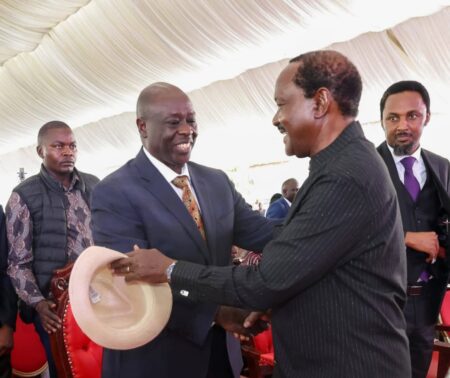
The meeting is set to bring together a cross-section of opposition leaders, including Kalonzo Musyoka, leader of the Wiper Democratic Movement; Eugene Wamalwa of the Democratic Action Party of Kenya; former senator Cleophas Malala; John Methu; and Karungo wa Thang’wa, among other invited leaders.
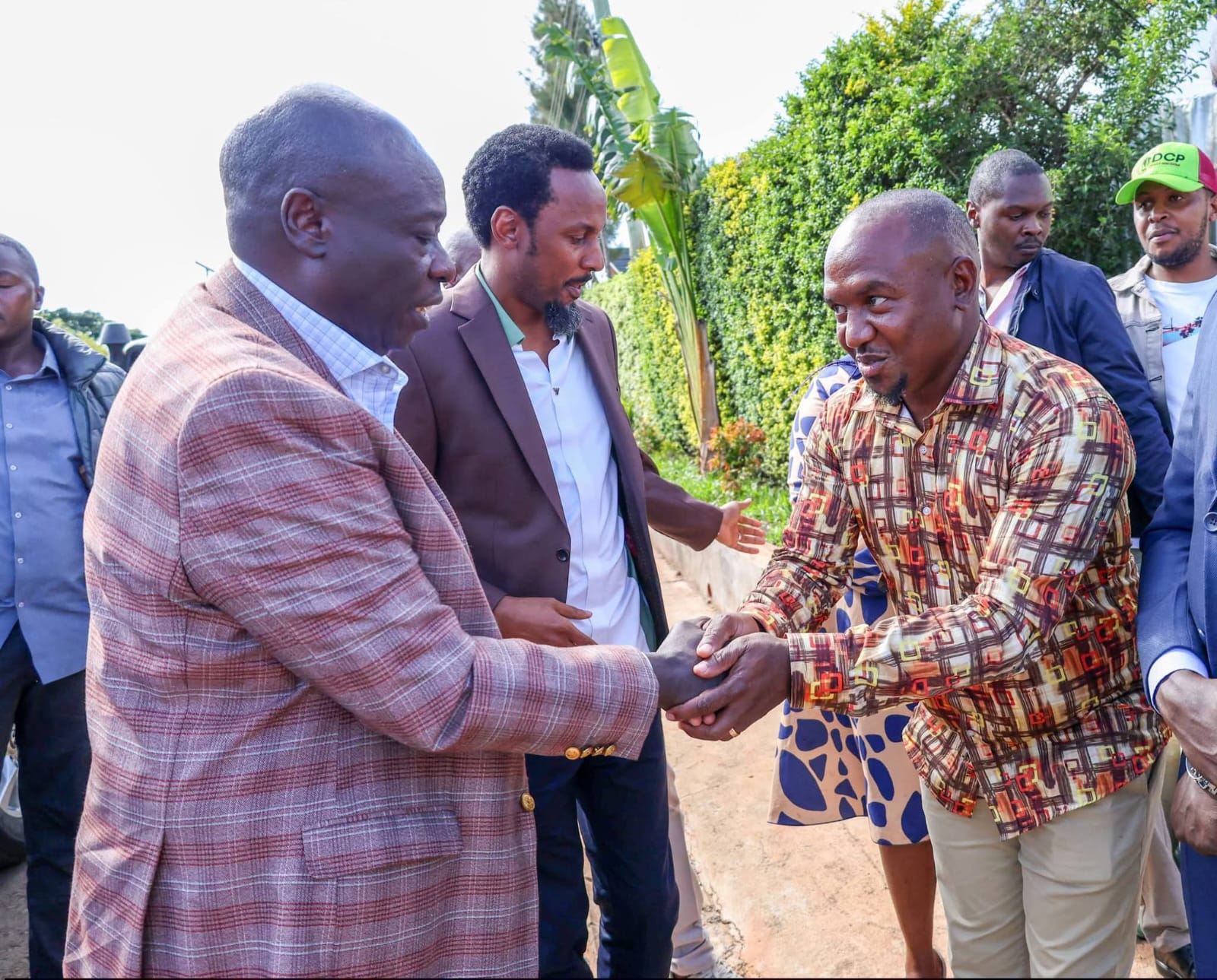
According to Njenga Mabati, an aspirant for the Githunguri parliamentary seat and one of the facilitators of the meeting, the initiative is part of a broader plan by Gachagua—associated with the Democracy for Citizens Party (DCP)—to strengthen grassroots support by directly engaging male constituents.
“When one visits a home, the head of the house, who is the man, is respected. It is on this basis that our leader Gachagua seeks engagement with men so that there can be a strong and respectful political foundation,” Mabati said during preparations for the event.
He added that such forums provide an important platform for dialogue between leaders and citizens, enabling communities to articulate their political expectations while also assessing the promises being made by aspiring leaders.
“Kiambu County, and especially Githunguri, is largely made up of farmers. This platform will allow meaningful discussions on what leaders are offering and what the people expect in return,” he noted.
Githunguri is a key economic hub within Kiambu, known for its vibrant agricultural sector. The area hosts one of the country’s largest farmer-owned milk processing plants and has extensive coffee and tea farming activities. Mabati emphasized that the meeting will give leaders an opportunity to outline policies aimed at safeguarding and improving these critical economic activities.
“The leaders will explain what they intend to do to ensure farming remains sustainable and that farmers receive better returns once they assume power,” he said.
Following the meeting, the leaders are expected to hold a series of rallies in Githunguri town, Ndumberi, and Kiambu Town to further engage residents and broaden their outreach.
Younger men in the area have also expressed interest in the forum, though some voiced concerns about being sidelined in traditionally hierarchical community discussions.
“As young men, we are often overlooked, especially in the presence of older men. We are hopeful that this engagement will give us a chance to air our views,” said James Gikanga, a resident.
Political observers note that Gachagua’s focus on male engagement is a calculated move aimed at tapping into traditional social structures, where men are often viewed as key decision-makers within households. By consolidating this demographic, he may be seeking to build a dependable support base capable of influencing broader voting patterns.
At the same time, the strategy has drawn mixed reactions, with some critics cautioning that it risks alienating women and youth—groups that play an increasingly influential role in Kenya’s electoral politics.
Nonetheless, Gachagua appears determined to reposition himself as a central figure in Mt. Kenya politics, framing himself as a defender of the region’s economic and political interests. His renewed grassroots mobilization signals a bid to reclaim political relevance and shape the region’s future direction.
As the country edges closer to the next electoral cycle, such engagements underscore a broader contest for control of the Mt. Kenya voting bloc—one of the most decisive in Kenya’s political landscape.
Whether Gachagua’s male-centered mobilization strategy will translate into sustained political capital remains to be seen, but it clearly reflects an evolving approach to grassroots politics in a region where influence is both deeply rooted and fiercely contested.