









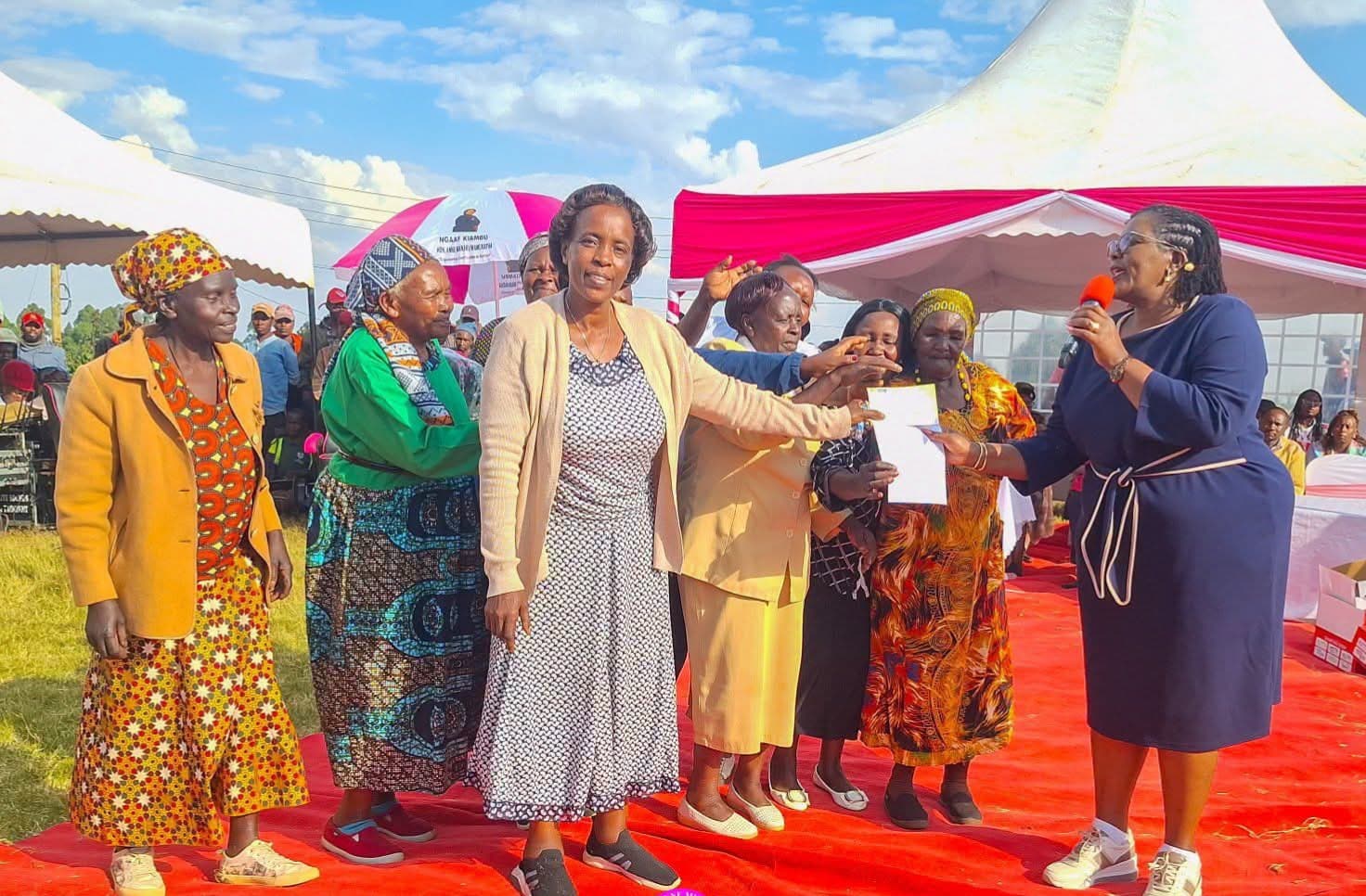
Kiambu Woman Representative Anne Wamuratha has stepped up grassroots economic empowerment efforts in Muguga Ward, Kabete Constituency, distributing cash support, business equipment and essential items to community groups, small scale traders, entrepreneurs and vulnerable residents.
The initiative, implemented through the National Government Affirmative Action Fund (NGAAF), seeks to strengthen household incomes, promote self reliance and expand economic opportunities for residents through targeted support for small businesses and community based groups.

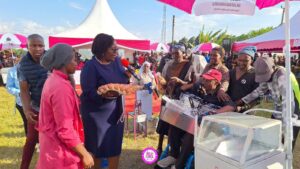
The programme has provided beneficiaries with equipment to establish or improve their enterprises, including chips fryers and cutters, juice extractors, market trolleys, umbrellas for traders, salon and barber equipment, and helmets for boda boda riders.
The intervention also includes blankets for elderly people, reflecting efforts to extend assistance beyond income generating activities to vulnerable members of the community.
Wamuratha said the programme was designed to bring development closer to residents by addressing practical challenges that prevent individuals and groups from improving their livelihoods.
She said empowering communities required more than promises, arguing that providing people with the tools to earn an income was an important step towards improving family welfare and strengthening local economic activity.
“These interventions reflect a commitment to people centred leadership, women’s economic empowerment and sustainable grassroots development. Leadership is about delivering tangible support that makes a difference in people’s lives,” she said.


Among the equipment distributed were chips fryers and cutters intended to support food vendors, juice extractors for entrepreneurs in the beverage business, and market umbrellas and trolleys to help traders conduct their activities more effectively.
Small scale salon and barbershop operators also benefited from equipment including hair dryers, blow dryers, pedicure seats, shaving machines, barber seats and sinks for salonists.
Boda boda riders received helmets and motorbike umbrellas, while traders were supplied with market trolleys and other equipment intended to support their daily commercial activities.
The distribution is aimed at helping beneficiaries overcome some of the initial costs associated with starting or expanding small enterprises, which often provide an important source of income for families.
For traders and other micro entrepreneurs, access to basic equipment can help reduce operating barriers and create opportunities to increase sales. For groups and individuals operating on limited resources, such support may also offer a pathway towards greater financial independence.
The programme places particular emphasis on grassroots economic activity, where small businesses, informal trade and community based initiatives provide livelihoods for many households.
In a related empowerment initiative in Muguga Ward, several community groups received financial assistance and equipment to strengthen their activities.
Kanyariri Women Group received a Sh100,000 non refundable cheque to boost its table banking initiative, a community based savings and lending arrangement through which members pool resources to provide loans and support one another financially.


The funding is expected to strengthen the group’s capacity to support members’ economic activities and improve their access to resources for investment and household needs.
Three other groups Utheri wa Kiambaa Muguga Community Group, Utheri wa Muthumu na Kang’ora Group and Chosen Generation Group each received a tent, 100 chairs, cooking pots (sufurias), cups and serving spoons.
The equipment is intended to strengthen the groups’ capacity to organise community activities and support income generating ventures that may require catering equipment and event facilities.
The tents and chairs could also provide a resource for community functions, while the utensils may help the groups undertake catering and related activities as potential sources of income.
The support reflects a broader approach to community empowerment that combines direct financial assistance with practical assets that groups can use to organise themselves, serve their members and pursue economic opportunities.
For women’s groups, access to capital and shared equipment can help strengthen collective initiatives, particularly where members rely on pooled savings and small scale enterprises to finance their activities.

Wamuratha said the empowerment initiatives were intended to help families improve their economic well being by equipping beneficiaries with resources that could be put to practical use.
She said the goal was to promote self reliance, strengthen small businesses and ensure that development interventions reached communities at the grassroots.
The distribution of business equipment is particularly significant for entrepreneurs who may have the skills and willingness to start an enterprise but lack the capital required to purchase essential tools.
Similarly, support for table banking and community groups can help beneficiaries build on existing networks to mobilise resources, organise activities and pursue shared economic goals.
The programme also recognises the needs of vulnerable residents, including the elderly, through the distribution of blankets.
However, the long term impact of the initiative will depend on how effectively beneficiaries use and maintain the equipment, sustain their businesses and translate the support into improved incomes.
Monitoring the use of the distributed items, providing business development guidance and helping groups identify sustainable markets could further strengthen the programme’s outcomes.
The latest intervention forms part of NGAAF’s broader mandate of supporting affirmative action initiatives and addressing the needs of vulnerable and disadvantaged groups through targeted community programmes.
In Muguga, the focus is on supporting women’s groups, small scale traders, service providers and other residents whose livelihoods depend on small enterprises and community based economic activities.
For beneficiaries, the immediate priority will be to put the equipment and financial assistance to productive use, with the ultimate goal of building more stable incomes and reducing economic vulnerability.
Wamuratha said the empowerment drive was anchored in the belief that sustainable development begins at the community level, where practical interventions can help individuals and groups improve their circumstances.
The initiative’s stated objectives are to strengthen livelihoods, support small businesses, promote self reliance and extend development opportunities to residents across Muguga Ward.