









Nairobi has emerged as the epicentre of Africa’s digital transformation agenda as leaders, policymakers, and industry players convene for the ongoing Connected Africa Summit 2026, with renewed calls for stronger collaboration to unlock the continent’s digital economy.
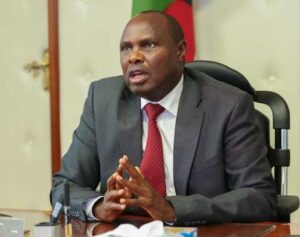
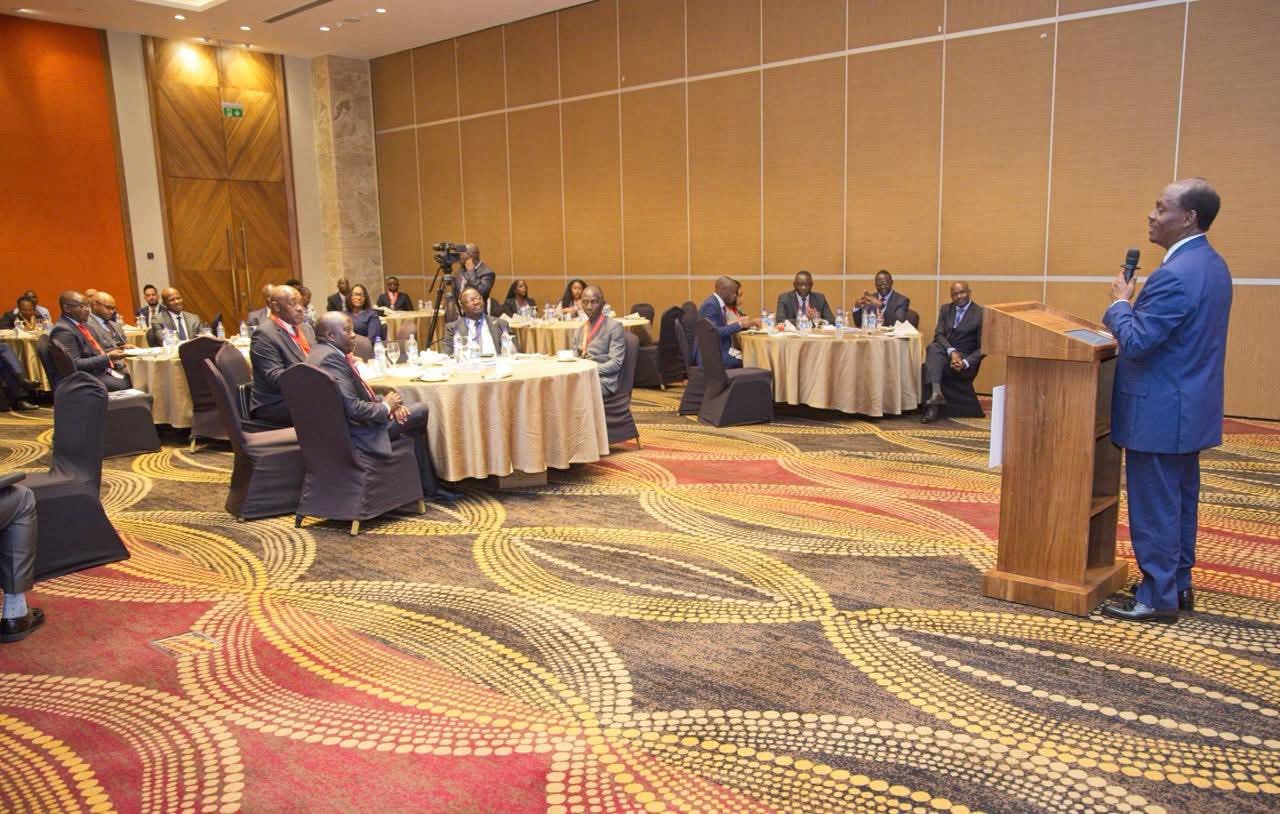
On Tuesday, Cabinet Secretary for Information, Communications and the Digital Economy William Kabogo hosted a High-Level African Leadership Breakfast that brought together ministers, senior government officials, and industry leaders from across the continent. The forum provided a platform for candid discussions on opportunities and challenges shaping Africa’s connectivity and digital transformation landscape.


The meeting built on insights from experiential exchange visits to key innovation and infrastructure sites, including the Konza Technopolis, digital hubs, affordable housing projects, and other strategic initiatives. Delegates used the platform to translate these observations into actionable policy frameworks.
Participants reached a strong consensus on the need for Africa to deepen cooperation in critical areas such as sustainable financing for digital infrastructure, seamless cross-border data flows, and the removal of fiscal barriers like excessive taxation that hinder digital adoption. Leaders also emphasized the urgency of harmonising regulatory frameworks and data policies across jurisdictions.
Central to the discussions was the vision of a “One Africa Network Area,” anchored on policy alignment, regional cooperation, and a shared ambition to create a competitive and inclusive digital ecosystem.
The summit was officially opened by Deputy President Kithure Kindiki on behalf of President William Samoei Ruto, drawing participation from ministers and senior officials representing over 30 countries—an indication of growing continental momentum around digital transformation.
In his address, Prof. Kindiki challenged African nations to scale up investments in digital technologies to remain competitive globally. He noted that Kenya has made significant strides, including the rollout of over 30,000 kilometres of fibre optic infrastructure, establishment of 382 ICT hubs with hundreds more under construction, and the creation of approximately 300,000 jobs through digital hubs and business process outsourcing initiatives.
“The digital future of Africa will not be handed to us. We must build it boldly, patiently, strategically and deliberately together,” said the Deputy President, underscoring the central role of technology in driving economic growth and governance reforms.

He further highlighted Kenya’s global leadership in mobile financial services through M-Pesa, operated by Safaricom, noting that the platform has revolutionised money transfer systems and positioned the country as a global benchmark in fintech innovation.
Delegates at the summit identified key priorities requiring urgent attention, including improving cross-border connectivity, enabling secure and efficient data flows, reducing the cost of digital payments, and supporting startups and innovators to scale beyond national markets.
The discussions also stressed the importance of ensuring that digital transformation is inclusive, reaching all segments of society—from farmers and small-scale traders to students and informal sector workers.
In parallel sessions, a Ministerial Roundtable convened by CS Kabogo further explored policy interventions needed to accelerate Africa’s digital transformation. Leaders underscored the need to strengthen data protection frameworks, promote interoperable digital identity and payment systems, and address fiscal constraints that limit access to digital services.
The roundtable also highlighted the importance of investing in reliable energy infrastructure to support data centres and connectivity, alongside reinforcing governance structures and political commitment to ensure effective implementation of digital strategies.
Senior government officials present included Principal Secretary for ICT and Digital Economy John Tanui and ICT Authority CEO Jessy Maruti, alongside members of the diplomatic corps and industry stakeholders.
Cabinet Secretary for Tourism and Wildlife Rebecca Miano also joined the deliberations, reflecting the cross-sectoral importance of digital transformation.
With the theme “Uniting Africa’s Innovation for an Inclusive Digital Market,” the summit has reinforced a collective commitment among African nations to move from dialogue to action—leveraging technology to drive economic growth, enhance governance, and create opportunities for the continent’s rapidly growing youth population.