





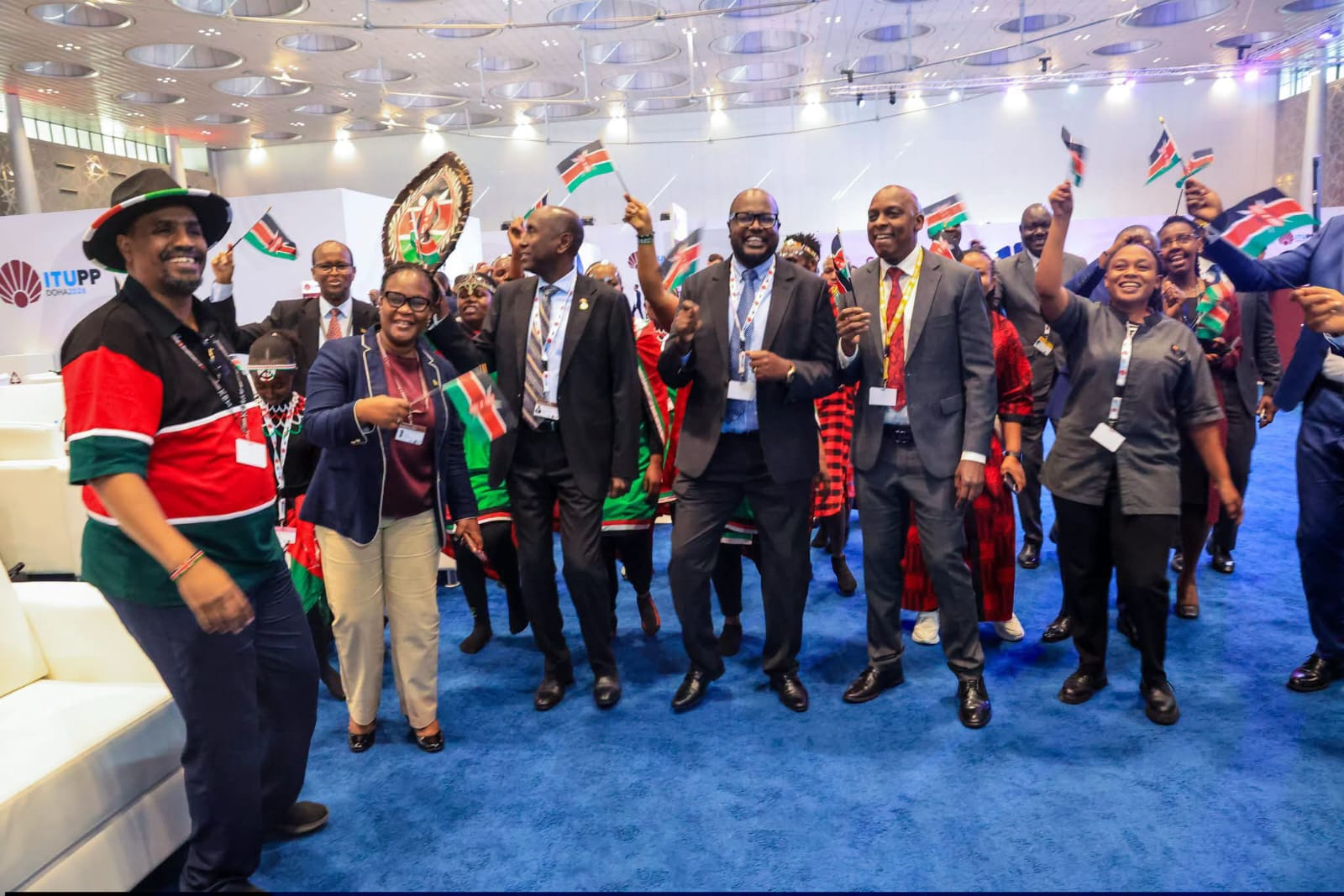
Kenya has strengthened its position in global digital policy making after securing the highest number of votes in Africa during elections to the Council of the International Telecommunication Union (ITU), in a major diplomatic victory that gives the country another opportunity to influence the future of global telecommunications and the digital economy.
Kenya garnered 136 votes to emerge top in Region D (Africa) during the ITU Plenipotentiary Conference held in Doha, Qatar, securing a seat on the influential council for the 2027–2030 term.
The victory renews Kenya’s longstanding representation on the council, where it has served since 1982, reinforcing its position as one of Africa’s established voices in international telecommunications governance.
The council plays a central role in overseeing the affairs of the United Nations specialised agency for information and communication technologies, including implementation of its strategic direction, financial priorities and programmes.
The renewed mandate will also enable Kenya to participate in shaping the ITU’s strategic and financial plans for the 2028–2031 period, at a time when countries are increasingly competing to expand digital infrastructure, improve connectivity and establish regulatory frameworks for emerging technologies.
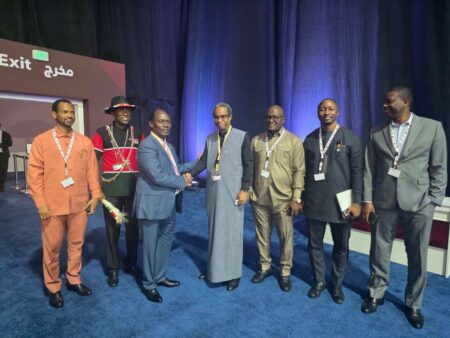
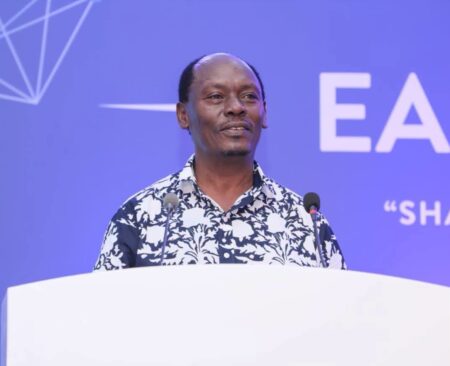
Information, Communications and the Digital Economy Cabinet Secretary William Kabogo welcomed the outcome, thanking ITU member states for backing Kenya’s candidature.

Kabogo also acknowledged President William Ruto’s leadership and the contribution of the Ministry of Foreign and Diaspora Affairs, Kenya’s diplomatic missions, the African Telecommunications Union and the country’s delegation in Doha for supporting the campaign.
He said Kenya would use its position on the council to champion affordable and meaningful internet connectivity, digital skills development, trust in digital services and stronger African participation in international ICT policy discussions.
The priorities reflect Kenya’s ambition to consolidate its position as a regional technology hub while ensuring that the continent has a greater voice in decisions shaping the global digital landscape.
The government has increasingly positioned digital transformation as a key pillar of economic growth, with investments in digital infrastructure, public services, technology driven employment and the expansion of digital access forming part of its broader development agenda.
Kenya’s election also comes ahead of another major international engagement, with Nairobi preparing to host the Internet Governance Forum from December 14 to 18, 2026.
The meeting is expected to bring together governments, technology companies, civil society organisations, regulators and other stakeholders to discuss emerging challenges and opportunities in internet governance.
Hosting the forum is expected to provide Kenya with an additional platform to influence global conversations on digital inclusion, cybersecurity, artificial intelligence and the future of the internet.
Meanwhile, Kabogo has intensified Kenya’s diplomatic engagement on communication and information policy after holding bilateral talks with Nigeria’s Minister of Information and National Orientation, Mohammed Idris, on the sidelines of the World Public Relations Forum 2026 in Abuja.
The discussions focused on strengthening cooperation between the two countries in government communication, regulation of the public relations profession, public broadcasting and efforts to combat misinformation and AI generated content.
Kabogo conveyed greetings from President Ruto and thanked the Nigerian government for hosting the forum and bringing together African ministers responsible for information and communication.
The meeting comes at a critical time when governments across the continent are grappling with the growing influence of digital platforms, artificial intelligence and online information networks in shaping public opinion.
Both Kenya and Nigeria are scheduled to hold general elections in 2027, making credible public communication, timely access to information and the management of misinformation particularly important.
The two ministers acknowledged the need for stronger institutional cooperation to ensure citizens receive accurate and reliable information, especially during politically sensitive periods when misleading content can undermine public confidence and democratic processes.
They agreed that officials from the two ministries would follow up on the discussions through their respective High Commissions and the revived Kenya Nigeria Joint Commission for Cooperation.
The proposed collaboration is expected to provide a framework for sharing expertise, strengthening professional standards and developing common approaches to emerging challenges in public communication.
Kabogo said the engagement had opened opportunities for closer cooperation between the two countries and expressed optimism that the discussions would translate into practical initiatives.
He was also scheduled to participate in the African Ministers of Information Roundtable, another platform expected to advance continental cooperation on communication policy and the changing media environment.
The two engagements underscore Kenya’s growing efforts to combine international digital diplomacy with regional partnerships as African governments seek to influence global technology governance while addressing the challenges posed by misinformation, artificial intelligence and unequal access to digital services.