


Deputy President Kithure Kindiki has reaffirmed the government’s commitment to equitable development, saying no Kenyan should be denied economic opportunities or access to public resources because of ethnicity, religion, gender, age or geographical location.
Prof Kindiki said the administration was determined to eliminate regional disparities and ensure every part of the country benefits from infrastructure development and economic empowerment programmes.
“We will make sure we have an equitable country. A country that respects every citizen without caring where they were born, where they live, their age or gender, their religion or their ethnicity,” he said.
He added that the government’s development agenda was anchored on the principle of building the economy from the bottom up, enabling households to access basic commodities and improve their livelihoods.
“Usawa ni Sawa,” he said, pledging to dismantle barriers that have historically fuelled divisions along tribal, generational and religious lines.
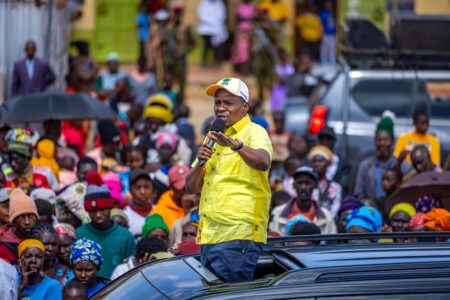
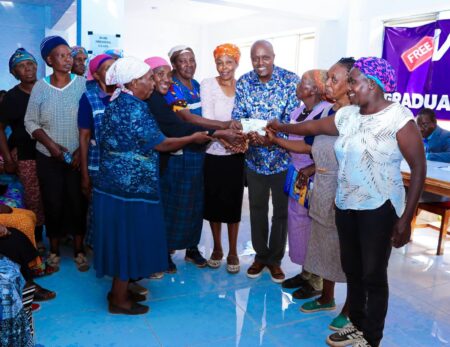
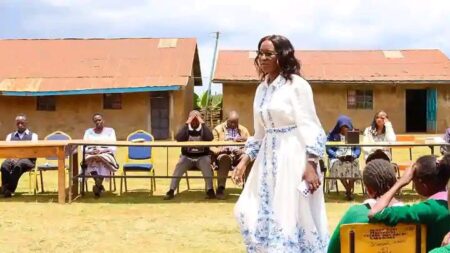
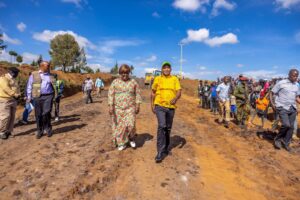
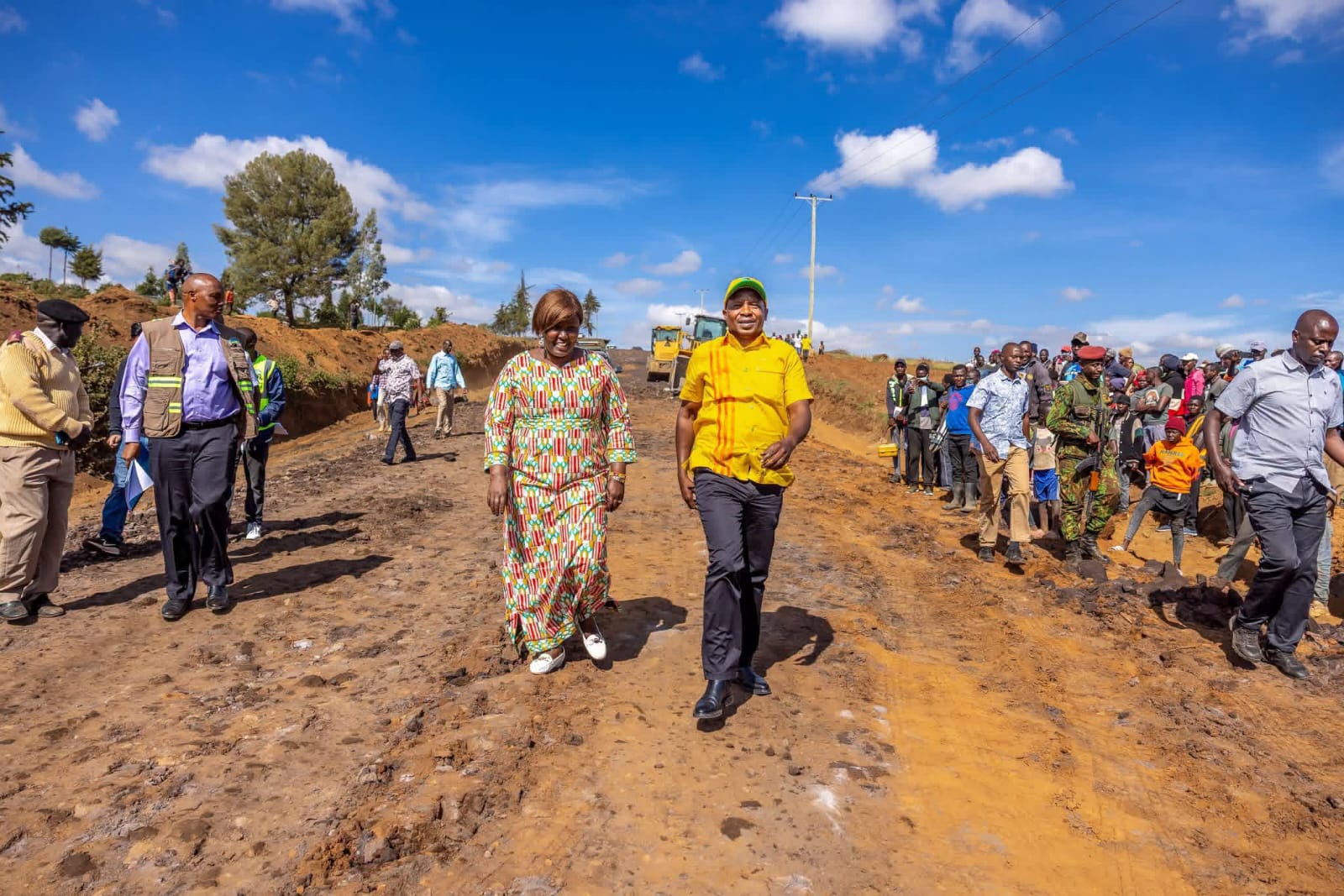
The Deputy President spoke on Tuesday during an inspection of ongoing development projects in Njoro Constituency, Nakuru County, where he assessed road construction, market infrastructure and electricity connection programmes.
Among the projects inspected was the 40-kilometre Njoro-Beeston-Nesuit-Lawina-Elburgon road corridor, which is being upgraded at a cost of Sh2 billion to improve transport and connectivity.
The government has also commenced rehabilitation of the 120-kilometre Mauche-Bombo-Olenguruone-Kaptagich-Silibwet road at a cost of Sh3.3 billion.
The two projects form part of a wider programme targeting 870 kilometres of roads across Nakuru County, with an allocation of Sh38 billion.

Prof Kindiki said improved roads would ease the movement of agricultural produce, reduce transport costs and strengthen links between farmers, markets and consumers.
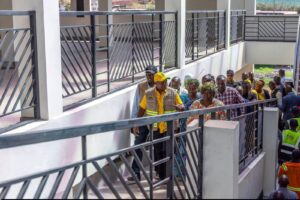
He also visited the Nesuit modern market, which was reported to be 99 per cent complete at a cost of Sh55 million. Two other markets in Mauche and Kihingo, costing Sh56 million and Sh65 million respectively, are also under construction.
The projects are intended to provide traders, including small-scale vendors and mama mboga, with safer and more dignified trading spaces.
Across Nakuru County, 25 modern markets are being developed, with four additional facilities planned at a cost of Sh715 million.
The Deputy President said the government was also accelerating electricity connections to support households and businesses.
Nakuru has received Sh3 billion under the last mile connectivity programme, targeting 25,000 additional households. Njoro has been allocated Sh370 million to connect 3,300 homes, with Prof Kindiki promising to push for an expansion to 6,500 households.
He said access to electricity should not depend on the size or status of a household.
Nakuru residents are also benefiting from subsidised fertiliser and seeds, as well as reduced prices for sexed semen used in dairy farming to improve livestock productivity.
The visit was attended by Njoro MP Charity Kathambi, Kuresoi South MP Joseph Tonui, Nakuru Woman Representative Liza Chelule, Deputy Governor David Kones and local leaders.