



Nine out of every 10 Kenyans believe political candidates cannot win elections without giving voters money or gifts, a new governance study by the National Council of Churches of Kenya (NCCK) has revealed.
The findings have raised fresh concerns over the growing influence of money in Kenya’s electoral politics, with the church umbrella body warning that economic hardship and the rising cost of political campaigns are deepening voter bribery and transactional politics.
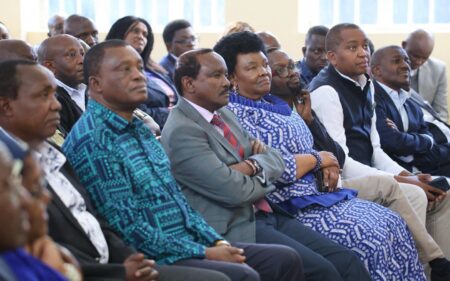
The findings of the study, conducted under the NCCK’s Angaza Project, were presented during a governance forum held at Kirigiti in Kiambu County on Tuesday.
The forum, held under the theme “Strengthening Governance, Accountability and Trust for Credible Elections,” brought together religious leaders, governance stakeholders and members of the public to discuss challenges facing Kenya’s democratic processes ahead of the 2027 General Election.
According to the report, 91 per cent of respondents believe financial incentives have become almost a prerequisite for electoral success, with many voters expecting candidates to provide cash, food, gifts or other forms of material support during campaigns.
The NCCK said the findings point to a worrying shift towards transactional politics, where voters may judge candidates by their ability to distribute money and material benefits rather than their policies, integrity or capacity to deliver public services.
The report linked the trend to the difficult economic circumstances facing many households.
It found that 22 per cent of Kenyans earn Sh10,000 or less per month, while another 31 per cent earn between Sh10,001 and Sh30,000.
The church body said such economic vulnerability had created an environment in which campaign donations and political handouts were increasingly viewed by some voters as an important source of financial support.
“This situation creates fertile ground for voter bribery and transactional politics,” the report noted, warning that the practice could undermine the integrity of elections and weaken public confidence in democratic institutions.
The study also highlighted the high cost of seeking elective office, saying the financial demands associated with campaigns were discouraging ordinary Kenyans from participating in politics and giving an advantage to wealthy individuals and those with access to powerful political networks.
According to the estimates cited in the report, a candidate may require at least Sh5 million to mount a competitive campaign for a Member of County Assembly seat.
The figure rises to about Sh50 million for a Member of Parliament or Senate position, while a gubernatorial campaign could require approximately Sh100 million.
A presidential campaign, the report estimated, could cost as much as Sh12 billion.
Of the estimated presidential campaign expenditure, about Sh7 billion could be spent on logistics, with the remainder going towards campaign mobilisation and voter handouts.
The NCCK said the high cost of campaigns was a threat to inclusive political participation, arguing that it could lock out capable candidates who lack the financial resources needed to compete effectively.
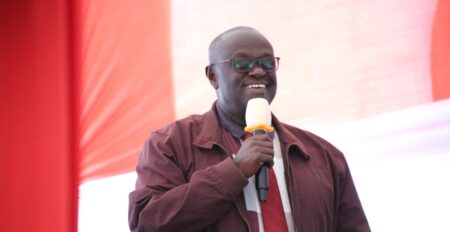
Speaking during the forum, Bishop Joseph Ngigi, Secretary to the NCCK Coordinating Committee, called for stronger accountability mechanisms to ensure elected leaders remain answerable to the people who elected them.
“We must bring our leaders to account. They must be answerable to the people of Kenya. Sovereign power belongs to the people as stipulated in the Constitution,” Bishop Ngigi said.
He also called for reforms to strengthen constitutional provisions governing the recall of elected leaders.
The bishop argued that voters should have an effective mechanism to remove Members of Parliament who fail to deliver on their mandate, saying the existing framework should be reviewed to make it more practical and accessible.
“We are saying that the Article on the recalling of an MP should be strengthened. It should not only be governors or the President who can be removed from office. If an MP is not performing, the people should have an effective mechanism to recall them,” he said.
Bishop Ngigi further challenged religious institutions to take a more active role in promoting responsible leadership, civic awareness and accountability.
He said the Church had a responsibility to help address governance challenges and encourage citizens to demand better leadership from elected officials.
“People are saying that the current oppressive leaders were put into power by the Church, and now the same Church has the responsibility to help the country correct that. It is time for the Church to wake up,” he said.
The NCCK study found that religious institutions enjoy significant public confidence, with 84 per cent of Kenyans expressing trust in them.
The council said this level of trust places churches in a strategic position to support civic education, promote ethical leadership and encourage citizens to participate actively in democratic processes.
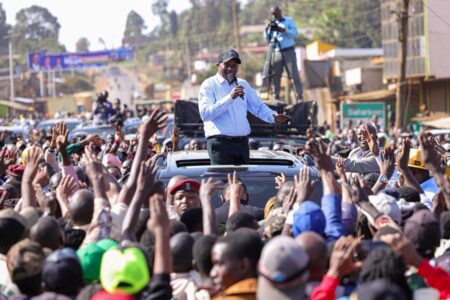
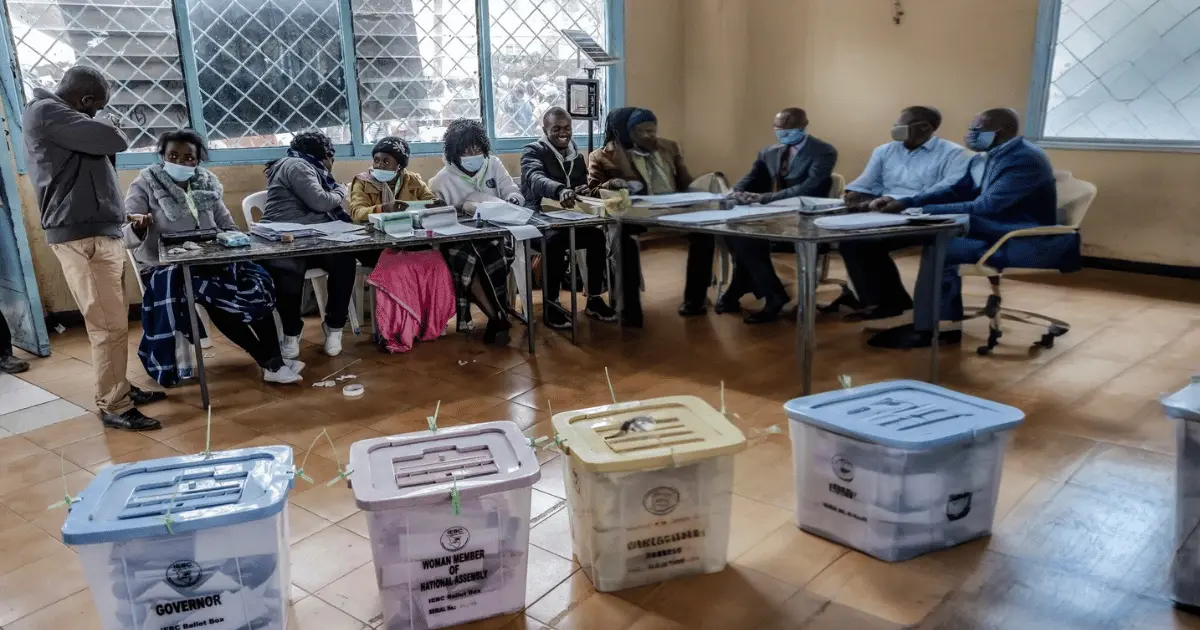
The findings come as political parties and prospective candidates begin positioning themselves ahead of the 2027 General Election, with concerns over voter inducement, campaign financing and the influence of wealth in politics expected to feature prominently in public debate.
The NCCK urged Kenyans to look beyond financial incentives when choosing leaders and to assess candidates based on their track record, integrity, policies and ability to serve the public interest.
Meanwhile, NCCK Monitoring and Evaluation Officer Dennis Bosire* cautioned against the growing perception that young people, particularly members of Generation Z, would single-handedly determine the outcome of the 2027 elections.
Bosire said while young voters would play an important role in shaping the country’s political future, all eligible voters had a responsibility to participate in the electoral process.
“Only about 33 per cent of the population falls within the 20 to 24-year age bracket. If we rely solely on this group to change the direction of the vote, we will be setting a dangerous precedent. Every Kenyan must turn out to vote,” Bosire said.
His remarks come amid growing public attention on the role of young voters in Kenya’s political affairs, particularly following increased youth participation in civic and political debates in recent years.
The NCCK said it was implementing a number of initiatives aimed at addressing some of the social and economic challenges that make young people vulnerable to political manipulation.
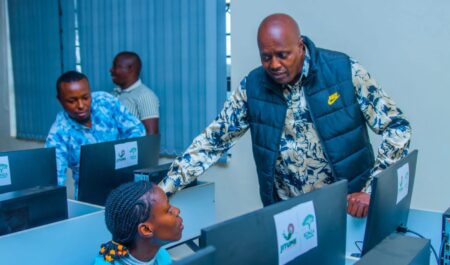
Among the programmes is **Vijana to Thrive**, which seeks to equip young people with employability skills, mentorship and access to economic opportunities.
The initiative is intended to help young people improve their livelihoods and reduce their vulnerability to political exploitation, particularly during election periods when unemployed and economically disadvantaged youth can be targeted for mobilisation.
Bosire said the council was also strengthening governance watch programmes through churches while working with communities to promote civic education, accountability and public participation.
“The Council is also strengthening governance watch programmes through churches and working with communities to enhance civic education, accountability and public participation,” he said.
The NCCK said the Angaza Project report would be made public and accompanied by action guides to assist churches and community organisations in promoting accountable leadership and strengthening democratic governance at the grassroots.
The council said it would continue engaging citizens and other stakeholders to encourage peaceful participation in elections and promote a culture in which voters demand accountability from leaders beyond the election period.
The findings have placed renewed focus on the relationship between poverty, political financing and electoral integrity, with the NCCK warning that unless the underlying economic and governance challenges are addressed, the culture of political handouts could continue influencing electoral choices and weakening public trust in Kenya’s democratic institutions.