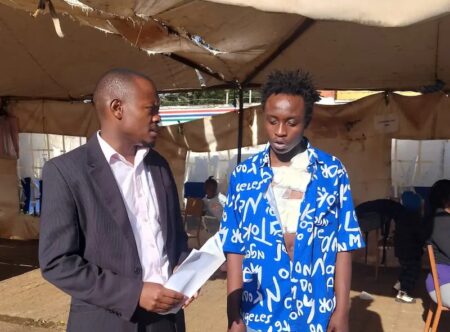




Medics have emphasized the need to train and hire more nurses who take care of patients with chronic wounds, particularly from cancer surgeries and burns.
This comes as statistics show that Kenya faces a serious shortage of nurses in that field with each handling between 15 to 20 patients daily, compared to World Health Organization (WHO) recommendations of one to six patients per day.
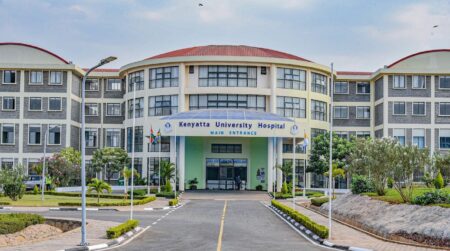
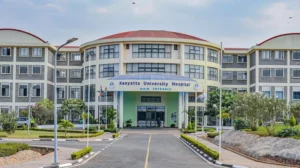
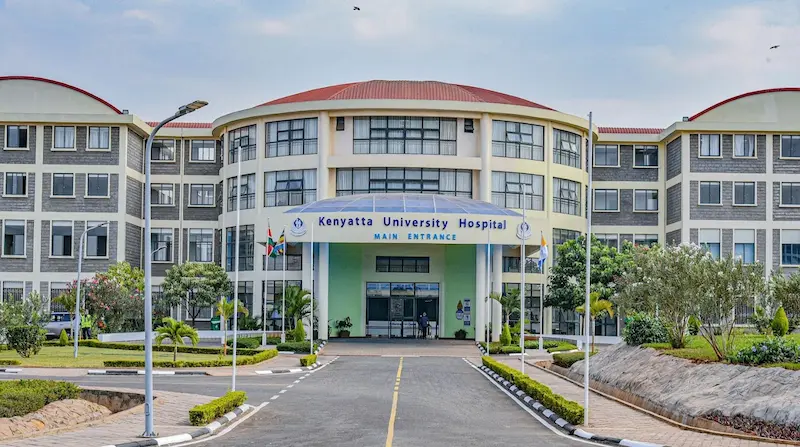
The call was made during the second national and regional conference of nurses who handle patients suffering from chronic wounds held at the Kenyatta University Teaching Referral and Research Hospital (KUTRRH).
Dubbed Wound Continence and Enterostomal Therapy Nurses (WCETN) conference, it brought together experts in the specialized field of chronic wound treatment from across the country and beyond.
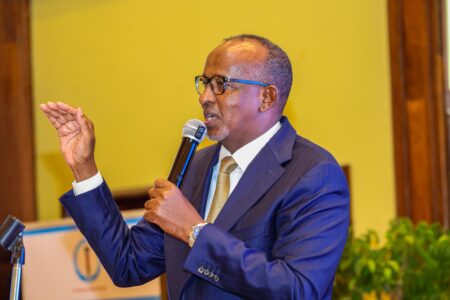
The KUTRRH Director of Clinical Services Dr Anthony Kamau said Kenya needs to hire more nurses in the specialized field in order to meet the shortfall and offer effective treatment of patients.
Noting that the facility is primarily an oncology center that deals mainly with cancer related surgeries, Dr Kamau said the role of nurses in helping patients in their recovery journey cannot be overlooked.
“As an oncology center, we have a lot of wounds generated as a result of cancer related operations besides receiving patients with serious burns. Because of that, wound care is a very critical service and as such we have specialized wound treatment nurses on a daily basis,” stated Dr Kamau.
He added that after the establishment of the hospital, it was realized that there was need to have specialized nurses to deal mainly with wounds, a crucial service that wasn’t there initially.
Dr Kamau who also read a speech by the KUTRRH Chief Executive Dr Zeinab Gura pointed out that there is need for government to allocate more resources towards the training of specialized nurses and the local manufacture of work materials that are largely imported.
“We are asking the government to dedicate resources towards the training of more specialized nurses and encourage local production of the materials used in this service because many of them are imported and come with higher prices,” he said.
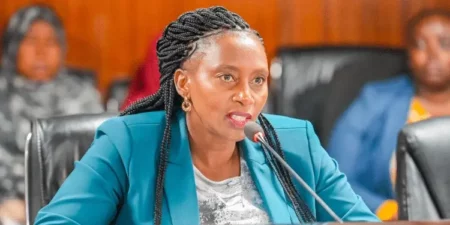
Dr Gura on her part noted that the hospital has more than 800 nurses, most of whom deal with patients suffering from wounds incurred as a result of operations to remove cancerous tumours.
The CEO further stressed the need for collaboration between various health institutions and relevant government agencies in ensuring growth of professionals in that area.
According to the Chairperson of the WCETN conference Margaret Mungai who is also the Deputy Director Nursing Services at Moi Teaching and Referral Hospital there is urgent need to train and hire more nurses in these specialized fields.
She noted that WHO recommends that each nurse should take care of 1 to 6 patients daily, but in the Kenyan situation it is between 15 and 20, presenting a serious shortfall.
“The WHO reports shows there is a serious shortage of nurses, particularly specialized ones. Hence the need to hire and train more,” Ms Mungai added.
Justin Kinoti, a senior nurse at the hospital asked patients not to shy away from seeking treatment for chronic wounds, no matter the stage or time they have been living in that condition.