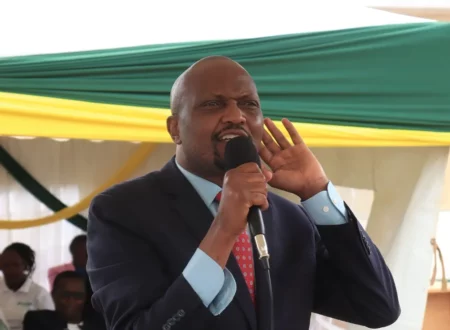
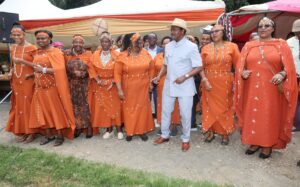



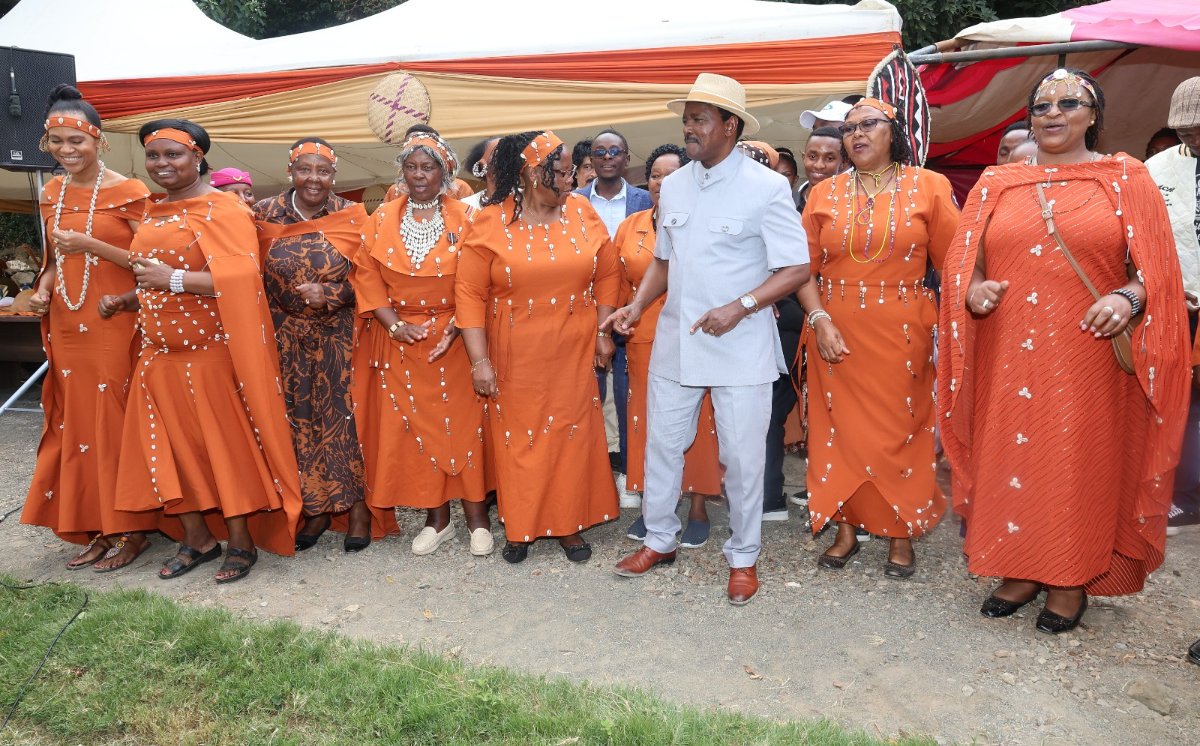
Wiper Party leader Kalonzo Musyoka held a significant consultative meeting today in Kiambu County with the leadership of the Kikuyu Council of Elders (KCE). The high-profile engagement, hosted at the council’s headquarters, brought together prominent political figures and community custodians to deliberate on the pressing challenges currently facing the nation. This visit highlights the former Vice President’s continued efforts to foster dialogue across regional lines during what he termed a pivotal time for Kenya.
The delegation received a warm reception from the council’s top leadership, led by Chairman Wachira Kiago. The meeting was attended by a robust group of elders, reflecting the weight of the discussions. Among the notable figures present were Frederick Waweru, Stanley Gathogo, C.N. Mbugua, and Kinuthia Mwangi. The gathering also included Njogu Githinji, Robert Kariuki, Eng. Funding, Lucy Wakiboi, Margaret Gogo, Tabitha Wanjira, Nancy Muriithi, Edith Wambui, John Kamangu, and Peter Muchiri.
Musyoka was not alone in this strategic outreach. He was accompanied by a senior delegation from his political camp, including The Wiper Party Deputy Chairperson Ann Kanyi. Also present were East African Legislative Assembly (EALA) Member of Parliament Hon. Kennedy Musyoka and his wife, Doreen. Machakos County Member of County Assembly (MCA) Hon. Helen Ndeti also joined the team, signaling a unified front from the Ukambani region’s leadership.
In a statement released following the event, Musyoka described the timing of the engagement as crucial. “The engagement comes at a critical moment for our country, as Kenyans grapple with rising economic pressure, weakening institutions, and growing public concern over the reckless disposal of strategic national assets,” Musyoka stated. His remarks point to a deepening anxiety regarding the country’s economic trajectory and the integrity of its governance structures.
A central topic of the deliberations was the controversial issue surrounding the East African Portland Cement Company. The proposed disposal of this strategic asset has sparked intense debate, with Musyoka and the elders expressing shared reservations. According to the Wiper leader, the situation “raises serious questions about economic sovereignty, transparency, and the protection of public assets.” The leaders scrutinized the implications of privatizing such entities, emphasizing the need to safeguard public wealth against opaque dealings.
The discussions also touched heavily on the state of education in Kenya. Musyoka highlighted a “crisis facing Kenya’s education system,” pointing to systemic failures that threaten the quality and accessibility of learning. The leaders agreed on the urgent need for robust policies that can “genuinely secure the future of our youth,” suggesting that the current framework is failing to meet the aspirations of the younger generation.
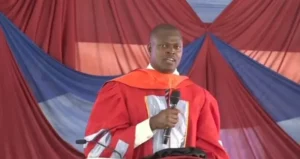
Beyond the heavy policy discussions, the event featured a significant intergenerational engagement. The leaders held candid talks with the KCE University and College Chapter during the group’s initiation ceremony. This segment of the visit focused on mentorship, with Musyoka emphasizing the necessity of “values-based leadership” and accountability. He called upon the young attendees to recognize their responsibility in standing up for the country’s future.
Musyoka expressed deep gratitude for the opportunity to exchange views with the Kikuyu Council of Elders at this specific juncture in history. He reiterated that the country is in dire need of steady guidance. “Kenya needs sober leadership, honest dialogue, and the courage to defend the public interest against recklessness and capture by narrow interests,” he asserted, positioning the meeting as a step toward that requisite honest dialogue.
The meeting in Kiambu serves as a reminder of the enduring role of traditional institutions in Kenyan political discourse. By engaging the KCE, Musyoka is reinforcing the necessity of community-based consultation in solving national problems. The event concluded with a mutual commitment to continue these important conversations for the betterment of the nation.