









Key players in the education sector are pressing the government to immediately resolve its financial dispute with publishers, warning that a failure to act could trigger a major resource crisis just as the inaugural cohort of the Competency-Based Education (CBE) system prepares to transition to Grade 10 next year.
The Kenya Publishers Association (KPA) is demanding the clearance of an accumulated debt of KSh 11.4 billion. This amount stems from books supplied for Grade 9 learners and costs associated with revising lower primary educational materials.
With these pioneer CBE students scheduled to begin senior school in January 2026, approximately 7 million copies of textbooks and literary works will be required. The publishers have issued a stark warning: non-payment will almost certainly lead to a serious crisis and delay in securing the necessary materials for the Grade 10 students, who represent the first group to enter the senior level of the new system.
Despite the standoff, KPA chairperson, Kiarie Kamau, recently confirmed that publishers are ready to proceed with the supply of textbooks covering the 35 learning areas designated for Grade 10. The delivery timeline is crucial, set for between October and December 2025, to guarantee students have their learning tools when the academic year starts.
This persistent delay in payment has left the publishing sector critically cash-strapped, creating a damaging ripple effect throughout the entire book production chain, impacting everyone from printers to distributors. These concerns were strongly echoed by various stakeholders who assert that stalled payments could critically hamper the seamless provision of learning materials, jeopardizing teaching and learning nationwide.
Speaking at Grasten Academy in Witeithie, Juja sub-county, Kiambu County, on Tuesday, the stakeholders expressed deep worry, stating that learners and parents are now at a critical juncture as the 2026 deadline fast approaches.
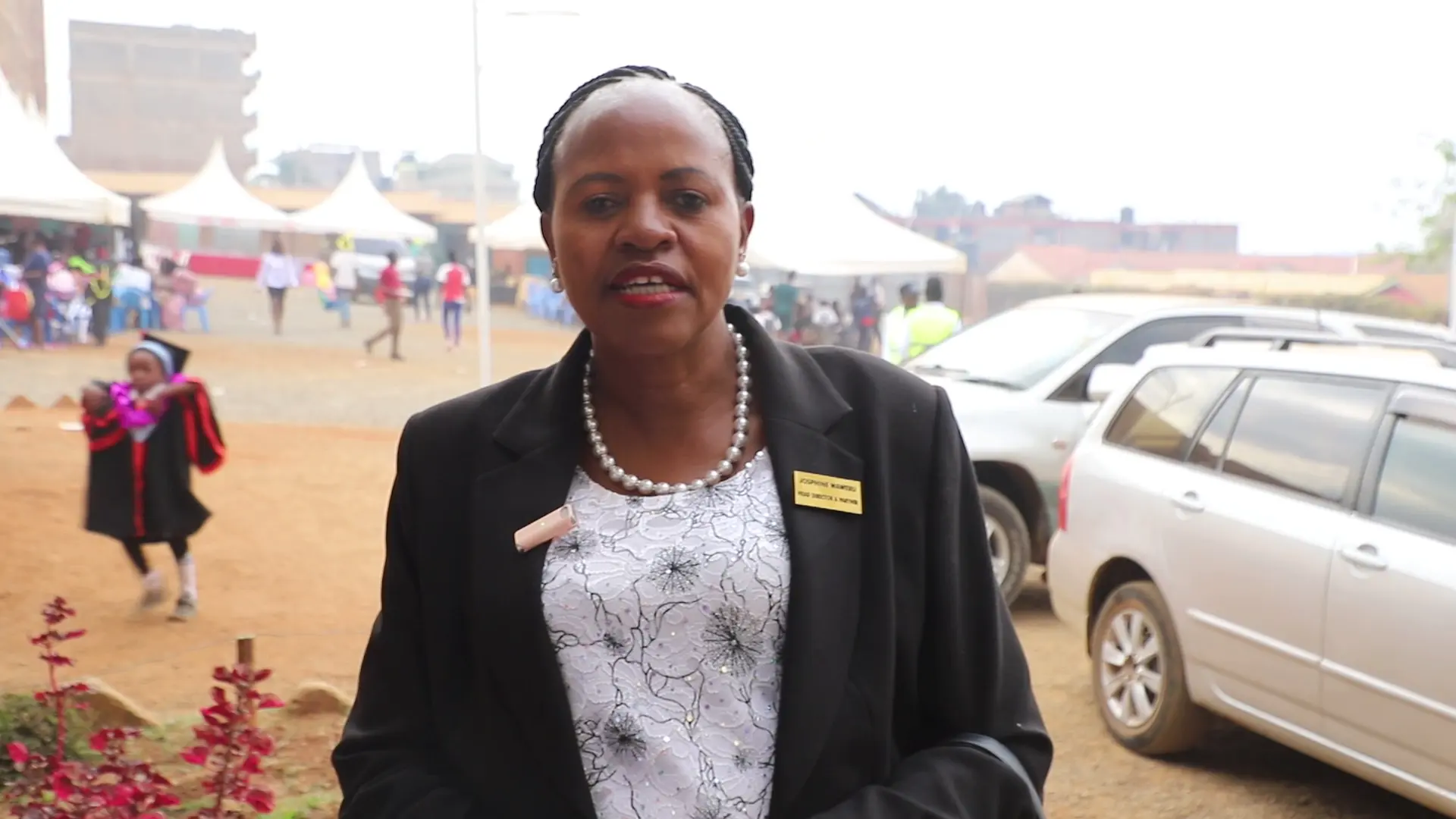
Institution Director Josephine Wanjiru Waweru led the call, stressing that if the relevant authorities do not address the matter swiftly, the entire learning process will be put in jeopardy.
Wanjiru stated the situation clearly: “The curriculum is at a critical stage and it’s imperative that all players play their part to ensure smooth learning and transition of grade 9 learners to grade 10. We are pleading with the government to settle the dues owed to publishers to facilitate publishing of adequate teaching and learning materials,” she said.
She further insisted that the State through the mandated authorities should provide adequate resources to publishers as well as address other challenges in the publishing industry including the 16 percent VAT which has affected publishers’ business.
Wanjiru added: “The Government should prioritize ensuring that there are no hiccups when learners move to grade 10. Again they should recognize that publishing is also a business and ensure that issues affecting publishers are promptly addressed,” the Director said.
Bishop Paul Muhia of AIPCA reinforced these sentiments, noting that clearing the debt would significantly help in securing high-quality and affordable learning materials. He also urged the government through the Kenya Institute of Curriculum Development (KICD) to streamline curriculum guidelines to prevent the confusion caused by last-minute changes to required books.
Bishop Muhia warned: “We witnessed last year books being changed the last minute and it was a huge blow especially to parents who had to dig deeper into their pockets to purchase new books for their kids. We should avoid this confusing by ensuring that the books printed won’t be changed so as not to burden parents,” he said.
Parents, including Lilian Njeri and Mary Wacera, implored the government to ensure a seamless Grade 10 transition by guaranteeing the availability of all necessary resources, including sufficient books, proper facilities, and adequate teachers. “The issue with publishers is critical and we are worried about the fate of our children’s education,” Njeri said.
Njeri added: “The delays in paying the debts threatens the timely delivery of learning materials and could leave students without textbooks at the start of the new academic year. The government should pay up to avoid disruptions in the education sector.”