









Kiambu Woman Representative Anne Wamuratha has called on Kenyans to reject political hostility, tribal divisions and personal rivalries, warning that persistent political animosity threatens national cohesion and distracts leaders from addressing the needs of ordinary citizens.
Wamuratha said political differences should not be allowed to undermine peaceful coexistence, arguing that Kenya’s future depended on the willingness of leaders and their supporters to accommodate divergent opinions and work together for the common good.
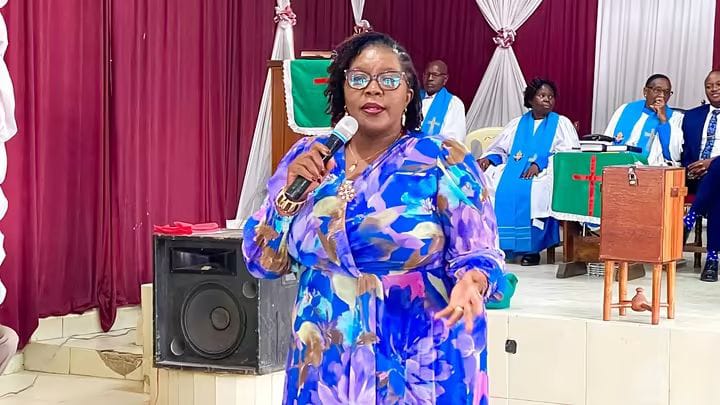
Speaking during a church service at ACK St Peter’s Church, Gilgil, where she joined worshippers under the spiritual leadership of Ven. Kabiru, the Woman Representative cautioned against the growing tendency by politicians and their supporters to turn political disagreements into personal confrontations.
She warned that the consequences of political instability would be felt by all Kenyans, regardless of their political affiliations.
“If tomorrow Kenya burns, it will not burn for one person. We will all perish,” she said, urging citizens to embrace dialogue, restraint and mutual respect.
The legislator challenged Kenyans to look beyond the political rivalries witnessed during election campaigns and recognise that politicians often reconcile their differences after elections, while ordinary citizens are left bearing the consequences of political divisions.
She argued that political competition should not become an excuse for communities to turn against one another, particularly when they share common economic and social challenges.
Wamuratha also questioned the value of prolonged political confrontations at a time when many Kenyans were struggling with unemployment, economic hardship and limited opportunities.
She urged leaders to redirect their energies towards development programmes, empowerment initiatives and practical interventions that improve livelihoods.
The Woman Representative particularly challenged Kiambu residents to demand accountability over development resources and ensure that public funds intended for community empowerment programmes were put to meaningful use.
She said the public debate should focus on how available resources could be channelled towards supporting women, young people and other vulnerable groups rather than being consumed by political arguments.
According to Wamuratha, political leaders should be judged by their ability to deliver tangible results rather than the intensity of their political rhetoric or the divisions they create among their supporters.
Her remarks come amid heightened political activity ahead of the 2027 General Election, with political alignments and competition increasingly shaping public discourse.
She maintained that elections should not permanently divide communities, insisting that leaders and their supporters must remember that they would continue living together long after political contests were concluded
During the visit, Wamuratha also joined the congregation in supporting efforts to complete the church’s building project, calling on worshippers and well wishers to contribute towards the completion of the House of God.
She described the occasion as an opportunity for spiritual fellowship, renewing old friendships and supporting the church’s development agenda.
Drawing from Haggai 1:8, which calls on believers to build the House of the Lord, she encouraged the congregation to remain committed to collective responsibility and contribute towards completing the facility.
She urged the church community to prioritise the completion of the ongoing hall project, noting that such facilities provide important spaces for worship, fellowship and addressing community concerns.
The service also featured prayers and hymns, with the congregation reflecting on the importance of faith, unity and collective service.
Wamuratha said supporting religious institutions was part of strengthening communities, adding that every contribution towards the completion of the church was valuable.
She called for continued cooperation among residents, leaders and the church fraternity, maintaining that unity and shared responsibility were essential not only in religious work but also in addressing wider societal challenges.
The legislator concluded by thanking the church leadership and congregation for the fellowship, wishing blessings upon everyone contributing towards the completion of the church.