






The Senate Committee on Health has called on the Kiambu County Government to introduce redundancy measures in the hospital management systems at the Kiambu Level Five Hospital to prevent delays and long queues experienced by patients.
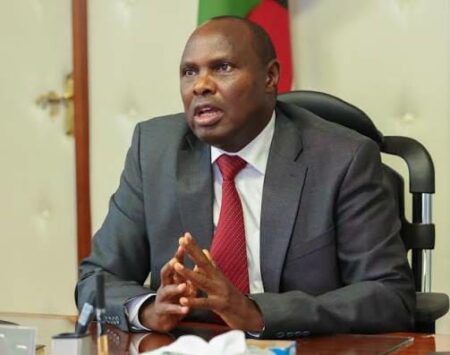
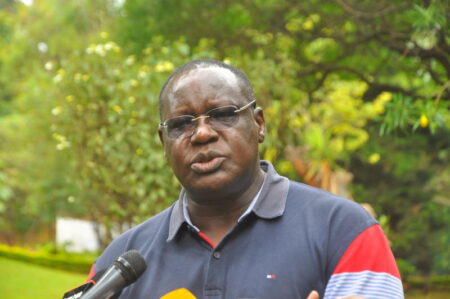
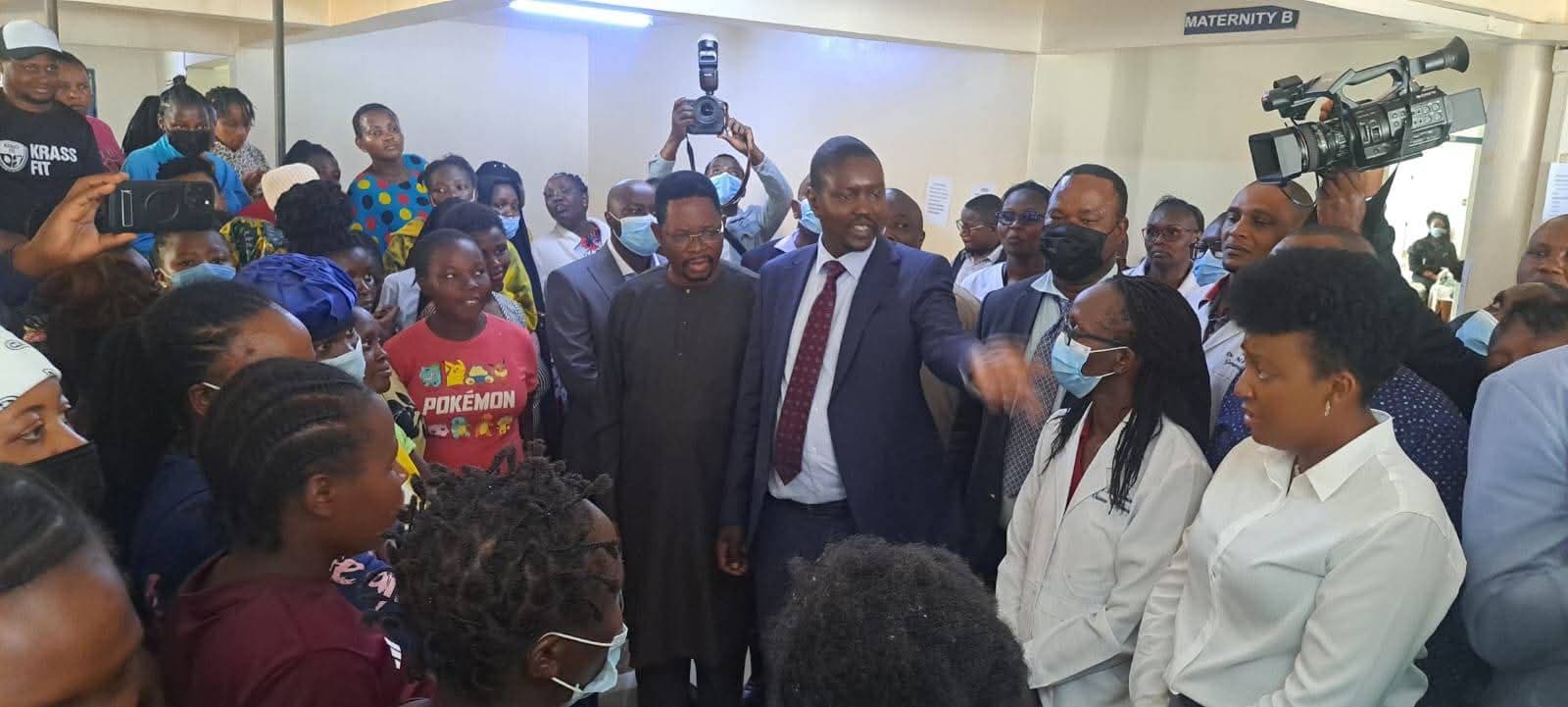
Speaking during an inspection tour of the Kiambu Level Five and Karuri Level Four hospitals, Committee Chairperson Senator Jackson Mandago expressed concern over frequent system downtimes that slow down patient admission and treatment processes.
“Make sure there is a redundancy measure of the system so that it does not create unnecessary queues,” Mandago urged.
He noted that the system used for patient registration is the first point of service, and when it fails, patients cannot proceed to clinical departments for treatment.
Mandago urged the county government and hospital management to address the issue urgently in collaboration with the system service provider.
The senator also raised alarm over the high number of teenage mothers admitted in the maternity and paediatric wings, many of whom have been detained in the facility for months due to unpaid medical bills.
“Unfortunately, many of them are below 18 years and don’t even have national identity cards. Some have stayed in the hospital for over three months because they cannot pay their bills,” he said.
Mandago explained that most of these young mothers are not registered under the Social Health Authority (SHA), which could have covered their hospital expenses. He urged expectant women, especially teenage mothers, to register under the program.
He commended Governor Kimani Wamatangi’s administration for intervening by registering indigent patients under the Wamatangi Care health insurance scheme, which works in partnership with SHA to provide medical cover.
“We thank the county government for considering these mothers as indigents and enrolling them under Wamatangi Care, ensuring that even in future hospital visits they are covered,” Mandago said.
He appealed to well-wishers to channel their support towards enrolling vulnerable patients into the SHA program instead of only settling hospital bills.
“When you pay for SHA, you secure a patient’s health for future hospital visits as well,” he emphasized.
The Senate team also raised concerns about medical waste management, noting that the hospital’s incinerator is non-functional.
Mandago urged the Kiambu County Assembly Health Committee and the Department of Health to prioritize funding for a new incinerator in the next supplementary budget.
“Medical waste is a serious issue and must be addressed. Funds should be reallocated from other votes to fix this,” he said.
The committee also inspected the hospital mortuary, where they lauded staff for maintaining cleanliness despite a shortage of equipment.
Mandago recommended that long-serving contractual mortuary workers be considered for permanent employment.
The senator further called for dialogue with health workers’ unions to address the shortage of staff in public hospitals, noting that Kiambu County alone requires over 6,000 nurses to meet demand.
“We propose that counties consider hiring some workers on contract and later absorb them permanently. It’s better than having skilled workers idle at home,” he said.
Mandago also cautioned hospital administrators against diverting hospital revenue to non-health activities.
“Hospital-generated funds should only be used for hospital operations, not for other departmental activities,” he warned.
During the visit, the committee commended the hospital for acquiring a new X-ray machine capable of serving up to 90 patients daily—an improvement from the previous machine that handled only 30.
Mandago noted that Kiambu had joined the national medical equipment scheme, which will bring more modern equipment and trained personnel.
Bungoma Senator Wafula Wakoli echoed the committee’s concerns, emphasizing the need for counties to prioritize health infrastructure, including modern mortuary equipment and waste management facilities.
“Health is a fundamental responsibility of county governments—to give hope to the sick, solutions to the ailing, and dignity to the departed,” he said.
Githunguri MCA Joseph Muhinja, chairperson of the Kiambu County Assembly Health Committee, confirmed that funds for a new incinerator will be included in the upcoming supplementary budget and that a unique identification system will be introduced for young mothers lacking ID cards to facilitate their release from hospitals.
He added that Ksh 120 million has been allocated to the Wamatangi Care health scheme to cater for vulnerable families across the county.
Senator Maureen Mutinda, also part of the committee, noted that the long queues at Kiambu Hospital reflect public confidence in its services but urged the county to upgrade its systems and find lasting solutions for detained patients.
“We thank the county government for securing the release of young mothers detained over unpaid bills. Such issues should not recur,” she said.
The Senate Health Committee concluded its visit by reaffirming its commitment to working with county assemblies and the Ministry of Health to strengthen healthcare delivery and infrastructure across the country.