








Deputy President Kithure Kindiki on Thursday led an extensive development tour of Kilifi County, inspecting key infrastructure and housing projects aimed at transforming livelihoods along the Coast.
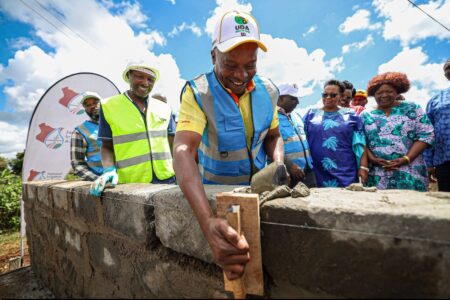
In Tezo, just outside Kilifi Town, the Deputy President assessed progress at the Tezo Affordable Housing Project, a KSh 1 billion initiative poised to redefine the area’s skyline. The project will deliver 1,000 modern housing units, offering homeownership opportunities to families previously locked out by high property costs.
Speaking during the inspection, Kindiki said the Affordable Housing Programme is steadily reshaping the country’s socio-economic landscape by expanding access to dignified housing while stimulating economic activity. He noted that the initiative has already created employment for over half a million Kenyans, revitalizing the construction sector and opening income streams for hundreds of local firms.
The Deputy President was accompanied by Kilifi Governor Gideon Mung’aro, Kilifi North MP Owen Baya, Ganze MP Kenneth Tungule, and several Members of County Assembly (MCAs), among other leaders.
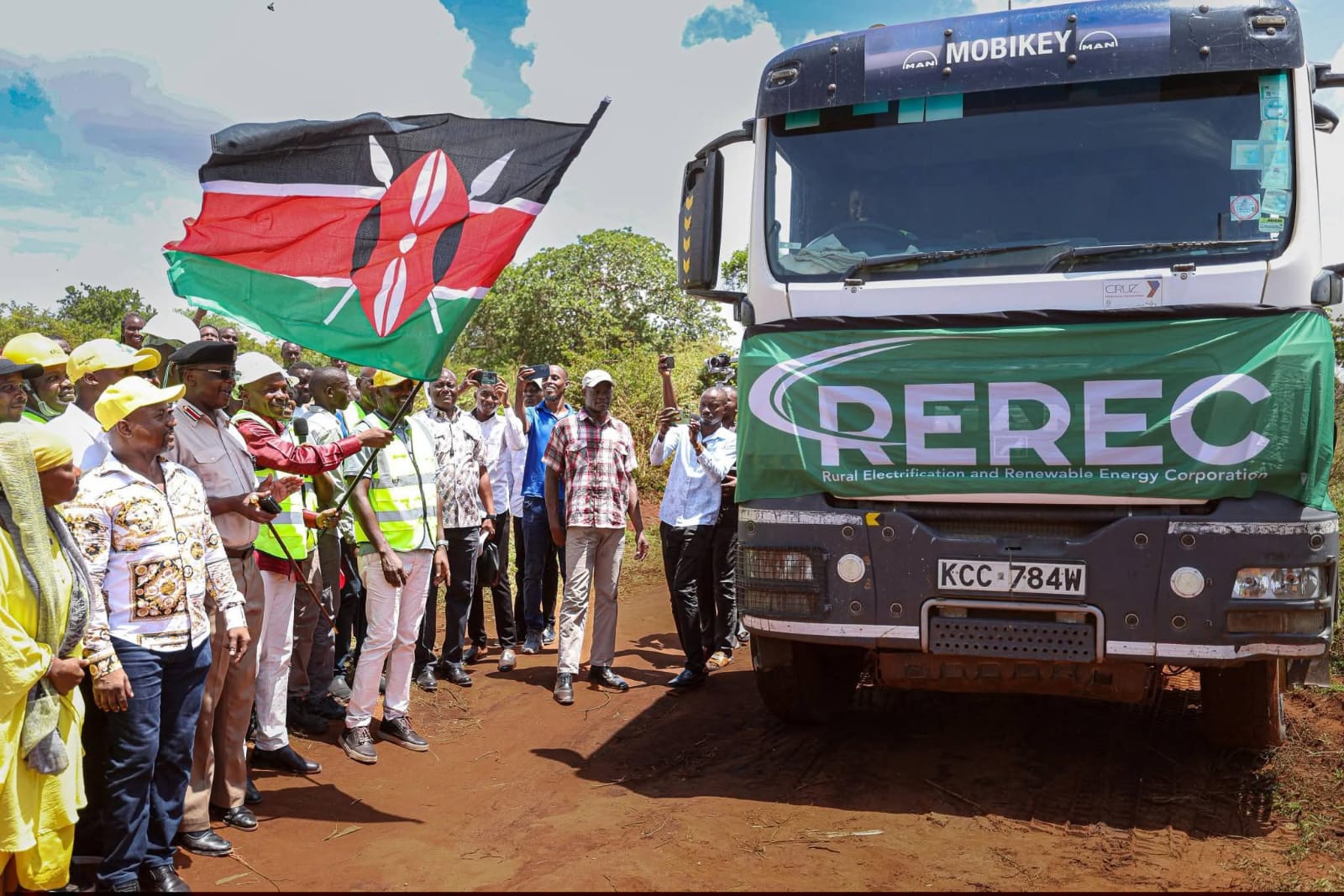
Later, in Mpirani, Ganze Constituency, the Deputy President launched the Mpirani Last Mile Electrification Project, a KSh 13 million initiative that will connect 155 homes, businesses, and public institutions to electricity.
Kindiki underscored the importance of universal electrification as a cornerstone of Kenya’s economic transformation, noting that reliable power access is critical for industrial growth, education, and healthcare delivery.
He revealed that in Kilifi County alone, rural electrification projects worth KSh 2.1 billion are underway, targeting 23,589 new connections across households, enterprises, schools, health centers, and places of worship.
“Electricity is not a luxury but a necessity for modern living and economic empowerment,” Kindiki said, reaffirming the government’s commitment to ensuring no region is left behind in the national development agenda.
The Deputy President also inspected ongoing road construction works in Kakunjuni, part of a broader KSh 25.5 billion infrastructure programme covering 385 kilometers of new tarmac roads across Kilifi County.
Among the flagship projects is the 56-kilometer Kilifi–Kakanjuni–Kasava–Kitengwani–Silala–Sangaweni–Ganze–Bamba road, estimated to cost KSh 2 billion. The road is expected to significantly enhance connectivity, boost trade, and ease access to markets for farmers and small-scale traders.
Kindiki noted that improved road networks are central to unlocking economic potential in rural areas, facilitating movement of goods and services while attracting investment.
The Kilifi road projects form part of a nationwide plan to construct 28,000 kilometers of roads, a strategy the government says is vital for accelerating Kenya’s transition to a globally competitive economy within a generation.
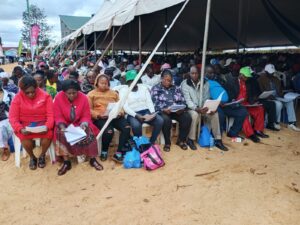
The tour was attended by Governor Mung’aro, MPs Tungule and Baya, Kenya Roads Board Chairperson Aisha Jumwa, MCAs, and local residents, who welcomed the projects as transformative interventions for the region.
The Deputy President however reiterated the government’s focus on equitable development, stating that sustained investments in housing, energy, and transport infrastructure will continue to uplift communities and drive inclusive growth across the country.