










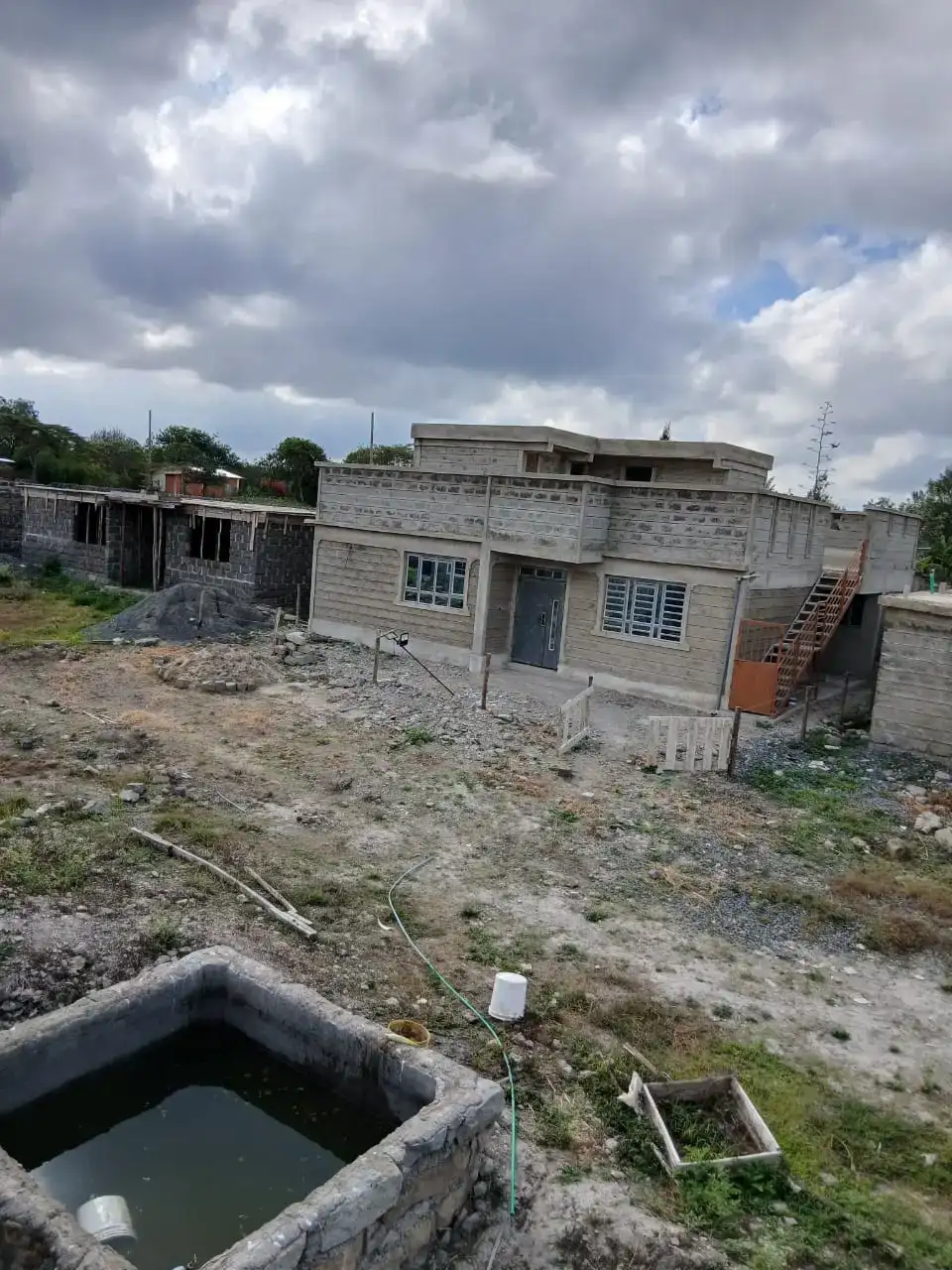
For many Kenyans, acquiring a home signifies ultimate stability and success. In recent years, off-plan housing developments emerged as a promising avenue to achieve this dream, offering contemporary residences at competitive prices. However, behind the attractive promotional materials and artistic renderings, a rising number of purchasers confront a difficult reality marked by missed completion dates, stalled constructions, and elusive title deeds.
Kenya’s real estate sector, traditionally seen as a key driver of economic growth, faces increasing scrutiny as allegations of fraud, non-disclosure, and contractual breaches continue to surface. Regulatory bodies, consumer advocacy groups, and judicial systems grapple with numerous disputes pitting individual buyers against influential developers, thereby exposing significant gaps in industry oversight and accountability.
Josephat Ndambo and Evelyn Kimani invested their savings with high expectations in Unit 24 at Asali Estate, a housing project by Mizizi Africa Homes in Machakos County. Like many off-plan buyers, they believed they were securing not just a house, but also peace of mind. Instead, they now claim the developer failed to deliver the home as per the agreement, compelling them to undertake the construction themselves.
Documents confirm that the complainants signed a sale agreement with Mizizi Africa Homes on November 20, 2023. Under this agreement, the developer committed to construct a three-bedroom, all-en-suite bungalow on a parcel of land identified as Donyo Sabuk/Komarock/1/20788 after subdivision. The agreement also stipulated the issuance of a freehold title to the purchasers, along with a share in Asali Estate Management Company. The unit’s purchase price stood at KSh 4.25 million, excluding legal and title transfer charges. Receipts demonstrate that by April 25, 2024, Ndambo and Kimani had remitted a total of KSh 2.5 million through various transactions, including an initial deposit of KSh 2,040,000 acknowledged in the agreement.
Despite these substantial payments, the complainants assert that Mizizi Africa Homes did not deliver the house as promised. They further allege that their repeated attempts to secure their title deed proved futile, intensifying concerns over the security of their investment. Their apprehension deepened after a recent search at the lands registry reportedly unveiled a caution on the property, linked to a long-standing court dispute at the Milimani Law Courts—an issue they contend was never disclosed during the purchase.
This case mirrors a burgeoning trend within the real estate sector, where buyers discover property encumbrances only after committing considerable sums of money. Industry analysts warn that such practices, if unchecked, constitute fraud and threaten to erode public trust in off-plan developments.
Conversely, Mizizi Africa Homes rejects these allegations. In a statement, company CEO George Mburu attributed the project’s stalled status to what he termed the purchasers’ failure to honor agreed payment arrangements. Mburu stated, “As rightfully indicated by the clientele, failure to honour their pledge to finance the project directly via the company account as per the contractual obligation has stifled the company resources, leading to stalling of the said project.” He further added that escalating material and labor costs over time compounded delays, necessitating a project re-evaluation. Mburu characterized off-plan construction as inherently volatile, advocating for goodwill and open dialogue among all parties to reach a resolution.
As both parties exchange blame, the dispute highlights broader systemic challenges plaguing Kenya’s real estate industry: weak consumer protection, limited disclosure practices, and a notable power imbalance between developers and individual buyers.