









A sharp rise in demand for BT cotton seeds in Lamu County has triggered urgent intervention from the government and private investors as the region experiences a major resurgence in cotton farming.
Farmers across the county are increasingly embracing cotton cultivation, popularly referred to as “white gold,” amid improved prices, better yields and renewed confidence in the sector. However, the heightened interest has also exposed a growing shortage of certified BT cotton seeds, with available stocks nearly exhausted only weeks after the onset of the planting season.
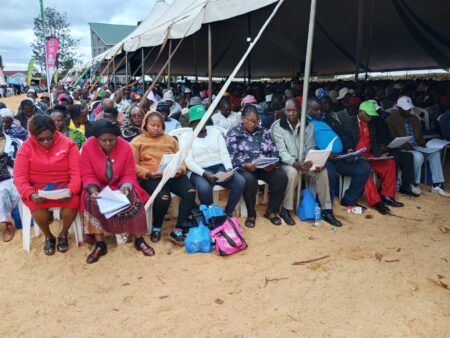
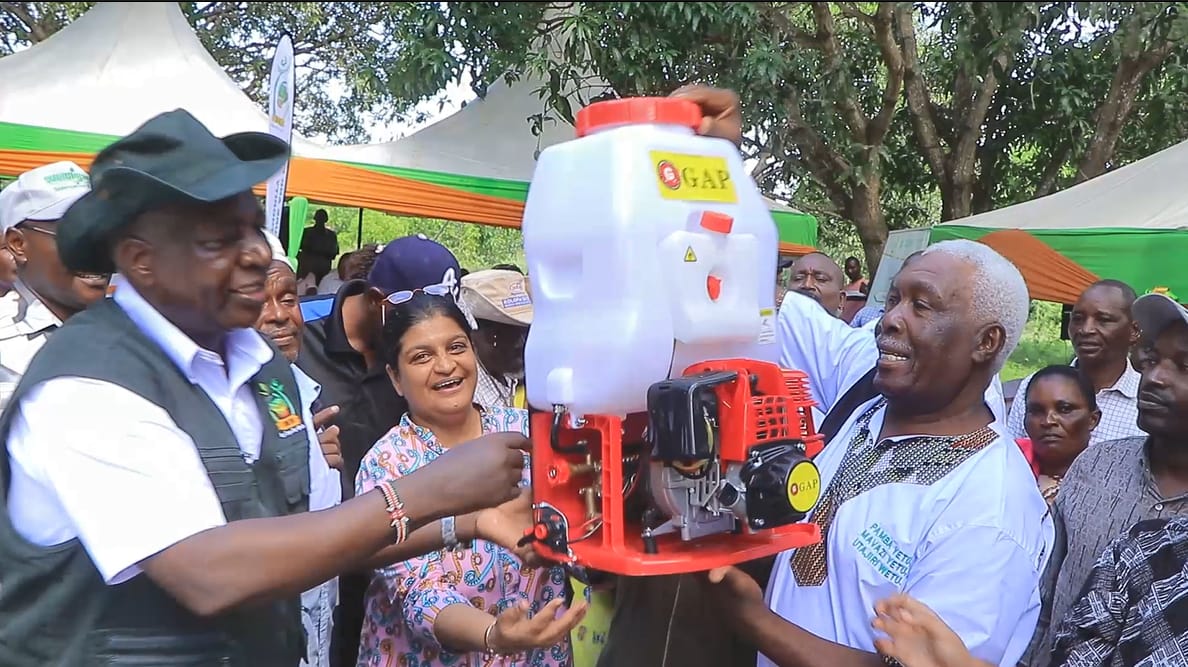
The renewed enthusiasm was on full display in Mpeketoni during the launch and distribution of BT cotton seeds, pesticides, spraying equipment and a modern cotton seed pressing machine. Hundreds of farmers gathered at the event seeking access to the scarce farm inputs seen as critical to sustaining the county’s cotton revival.
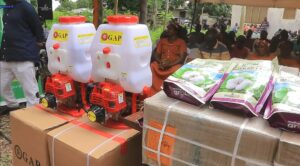
In response to the increasing demand, the government, through the Agriculture and Food Authority, distributed 3,000 kilograms of BT cotton seeds, 10,000 pesticide containers and 16 spraying machines to farmers. The initiative is aimed at enhancing production in one of Kenya’s fastest-growing cotton farming zones.

Despite the intervention, farmers maintained that demand for BT seeds still far outweighs the current supply. Many attributed the growing interest in cotton farming to the improved productivity of the BT variety as well as the recent rise in cotton prices, which has made the crop increasingly profitable.
Several growers described cotton farming as a transformative economic opportunity capable of improving livelihoods for thousands of households across the coastal region if supported with reliable access to farm inputs, stable markets and local processing industries.
Speaking during the exercise, Cornelly Serem assured farmers that the government was working closely with county administrations and private sector players to ensure a steady supply of quality BT cotton seeds and pesticides.
Serem noted that the revival of the cotton industry remains central to Kenya’s efforts to strengthen local textile manufacturing and improve farmers’ earnings under the Buy Kenya Build Kenya initiative.
Meanwhile, Tejal Dhodhia said the textile manufacturer had intensified support for cotton farmers through partnerships with both national and county governments.
Dhodhia revealed that the company recently procured and distributed six tonnes of BT cotton seeds valued at Ksh21 million to farmers in Mpeketoni in an effort to cushion growers against shortages and accelerate production.
She commended William Ruto for prioritizing cotton farming and local textile manufacturing, saying the current administration was the first since independence to directly facilitate the purchase of cotton seeds, pesticides and other agricultural inputs for farmers.
According to Dhodhia, collaboration between the government, textile manufacturers and stakeholders in the cotton value chain has restored confidence in the industry and attracted renewed investor interest.
She further noted that recent reforms, including the increase in cotton prices from Ksh52 to Ksh72 per kilogram, had reignited hope among farmers in cotton-growing regions across the country.
Mbarak Mohammed said the county government had allocated Ksh7.5 million for the purchase of additional BT cotton seeds, with plans to raise the allocation to Ksh12 million in the next financial year.
He emphasized that the county administration was keen on positioning Lamu as a leading cotton production hub in Kenya through sustained investment in the sector.
Currently, more than 10,000 farmers in Lamu County are actively engaged in cotton farming, with the sector witnessing renewed optimism driven by increased government support, private sector investment and growing demand for locally produced cotton and textile products.