









Education stakeholders have called for increased investment in student innovation, saying Kenya’s Competency-Based Curriculum (CBC) is nurturing a generation of creative problem-solvers but requires stronger financial, institutional and policy support to transform learners’ ideas into commercially viable products.
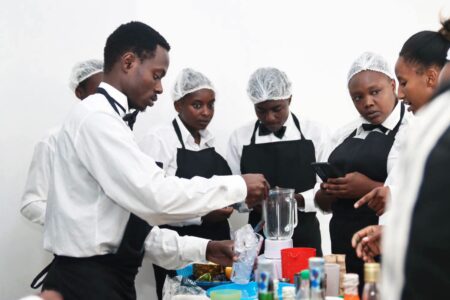
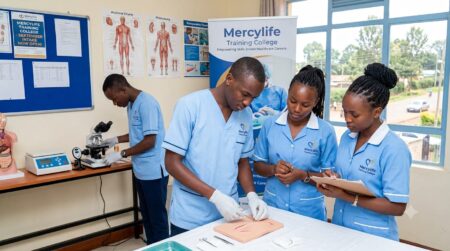
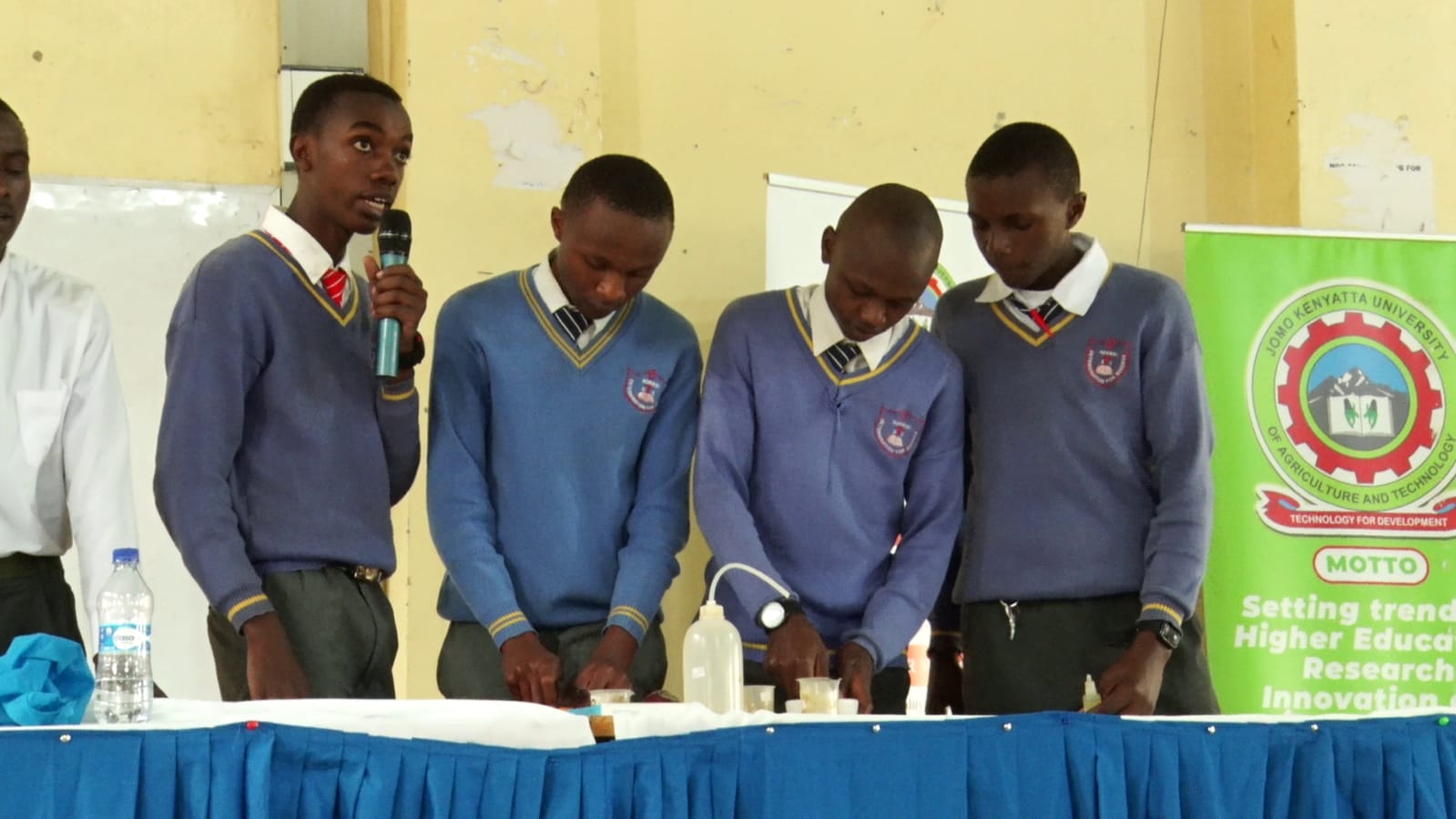
The leaders made the remarks during the annual Kids’ Conference held at Jomo Kenyatta University of Agriculture and Technology (JKUAT), where learners from Kenya and several other countries showcased innovative projects designed to address real-life challenges.


Speaking at the event, the Principal of the College of Engineering and Technology at JKUAT, Dr. Hiram Nderitu, said innovation should not end at the classroom level, noting that students require continuous mentorship, funding and incubation support even after graduation to enable them to commercialise their inventions.
Dr. Nderitu observed that the Competency-Based Curriculum is equipping learners with practical skills that encourage creativity, teamwork and critical thinking—qualities that are essential in solving emerging societal and economic challenges.
He stressed that exposing children to innovation at an early age helps nurture problem-solving abilities while preparing them to become future entrepreneurs, researchers and industry leaders.
“We must create an environment where young innovators can transform their ideas into products and services that benefit society and contribute to economic growth,” he said.
His sentiments were echoed by Mary Hill Girls High School Arts and Theatre teacher Betty Gakii, who praised the current generation of learners for embracing innovation and technology.
She noted that Generation Z students are highly informed, technologically savvy and eager to explore creative solutions to everyday problems, thanks to increased access to digital tools and information.
Gakii called on both the government and parents to invest more in nurturing students’ talents by providing resources, mentorship and opportunities for practical learning.
She said the Competency-Based Education (CBE) curriculum has created an enabling environment where learners are encouraged to pursue their interests and develop skills aligned with their passions.
According to Gakii, the transformation witnessed among students over the past three years since the introduction of the Kids’ Conference demonstrates the positive impact of the curriculum in enhancing creativity, confidence and independent learning.
“The growth we have witnessed has been remarkable. Learners are becoming more innovative, more confident and faster at acquiring new skills because they are now learning through practical experiences,” she said.
Kids’ Conference founder and convener Dr. Stephen Spain said the annual event was established to give learners a platform to showcase their ideas while building confidence, conducting research and developing independent thinking.
He said the conference encourages participants to think beyond classroom learning by identifying real-world challenges and designing practical solutions that can improve communities.
Dr. Spain noted that nurturing innovation among young people is critical in preparing the next generation of scientists, engineers, entrepreneurs and innovators capable of driving sustainable development.
George Mwangi, Convener of Kids Conference Africa, said the initiative seeks to expose learners to international opportunities while sharpening their ideas through mentorship and collaboration.
He said the conference aims to empower young innovators to develop world-class solutions capable of competing on the global stage.
Mwangi added that bringing together participants from different countries creates an environment for knowledge exchange, cultural interaction and collaborative learning, broadening students’ perspectives and inspiring greater innovation.
Participating students also appealed for increased support for young innovators.
Speaking on behalf of the learners, Neema Boinet said more forums should be created to enable students to present their ideas, interact with industry experts and receive mentorship that can help transform their innovations into viable projects.
Her colleague, Gibson Ochieng, said young people possess the creativity and determination needed to address many of the country’s challenges if given the right opportunities and support.
Although still students, he said, learners are fully aware of the issues affecting society and are capable of developing practical, innovative solutions through research, technology and collaboration.
The conference attracted primary and secondary school learners from across Kenya as well as participants from countries including Singapore and South Africa, providing a platform for cross-border exchange of ideas and innovations.
The event concluded with the recognition and awarding of outstanding student innovations, with organisers expressing confidence that continued investment in young innovators will help transform creative ideas into practical solutions capable of addressing local and global challenges while contributing to economic growth and sustainable development.