






Deputy President Kithure Kindiki has praised the National Treasury for what he termed timely disbursement of funds to counties, saying the move will enable devolved governments to deliver services without the financial strain caused by delayed allocations.
Prof Kindiki said all equitable-share funds due to the 47 county governments had been released up to August, leaving no outstanding monthly allocations and giving counties greater certainty in planning and implementing their programmes.
The Deputy President said the timely release of funds demonstrated the Kenya Kwanza administration’s commitment to strengthening devolution, despite the financial pressures facing the country.
“I am happy to note that, despite the fiscal constraints we are facing as a country, the National Treasury disbursed all the amounts due to County Governments as part of the equitable share by the close of the financial year. We have also released July and August allocations. This demonstrates the commitment of Kenya Kwanza to support devolution,” Prof Kindiki said.
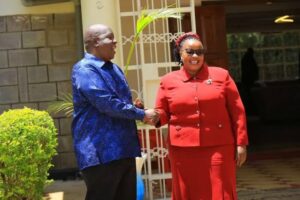
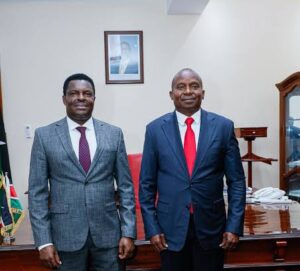
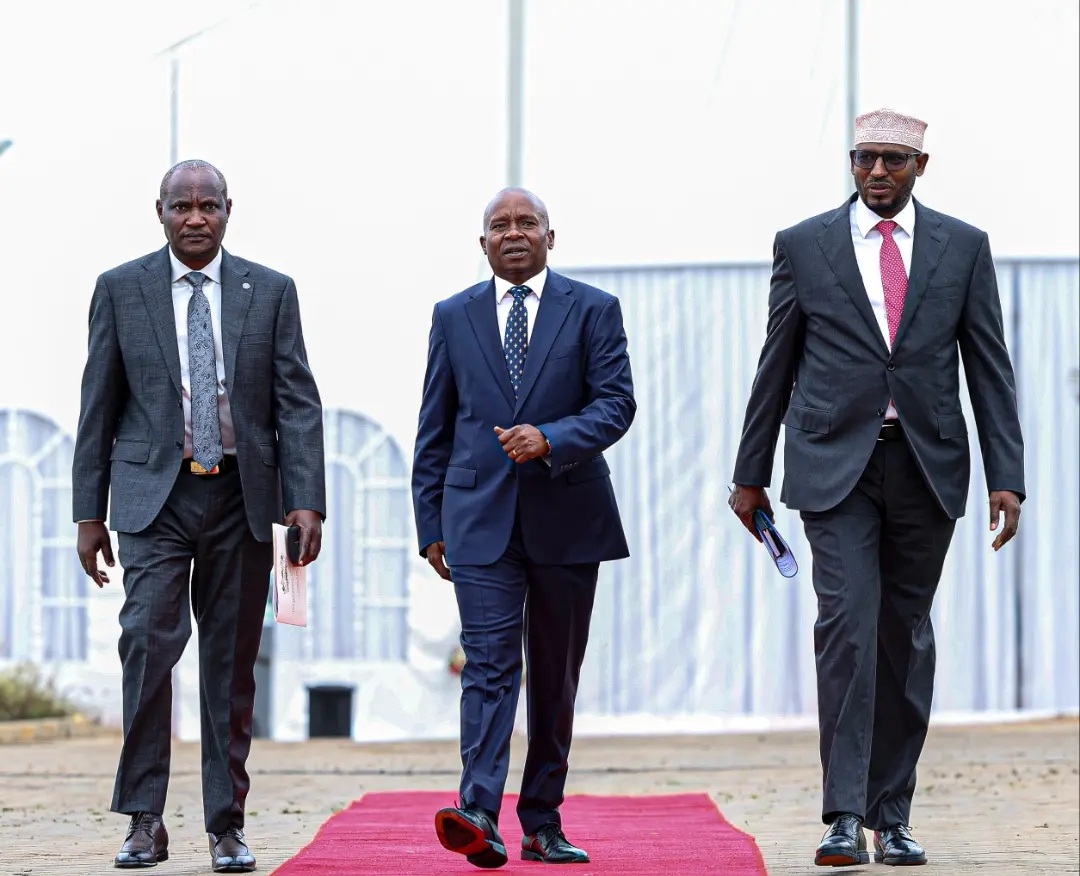
He spoke on Monday while chairing the 30th Intergovernmental Budget and Economic Council (IBEC) Ordinary Session at his Official Residence in Karen, Nairobi.
The meeting brought together senior national and county government officials to review the implementation of resolutions affecting devolution, financing and service delivery.
Prof Kindiki commended Treasury Cabinet Secretary John Mbadi, who attended the meeting, for efforts to accelerate the release of funds to counties.
He also thanked Parliament for expediting the passage of the Division of Revenue Bill, 2026 and the County Allocation of Revenue Bill, 2026, saying their enactment had removed a major hurdle to the timely release of county funds.
The equitable share allocated to counties has risen to Sh428 billion in the current financial year, providing counties with a larger pool of resources to finance devolved functions.
The Deputy President attributed the progress to interventions and resolutions reached through IBEC, which he chairs, saying the forum was increasingly shifting from discussions to implementation.
“We have made significant progress in most of our resolutions. This demonstrates that IBEC is increasingly becoming a results-oriented institution, where decisions are followed through and translated into interventions that benefit our citizens,” he said.
The timely disbursement is expected to ease pressure on county governments, which depend heavily on national transfers to finance critical services including healthcare, water, agriculture, roads and other devolved functions.
However, Prof Kindiki challenged county governments to ensure the money released is translated into tangible improvements in services and development projects rather than being absorbed by administrative costs.
The Deputy President also urged counties to accelerate the completion of County Aggregation and Industrial Parks (CAIPs), which he said are central to the Government’s industrialisation and job creation agenda.
He said CAIPs in Embu, Meru, Kirinyaga, Kisii, Wajir, Garissa and Migori were nearing completion and called on other counties to speed up work on their respective projects.
Prof Kindiki described the industrial parks as a critical link between agricultural production, value addition, markets and manufacturing, saying they would help counties unlock the economic potential of their local resources.
“As we look for a vision of Kenya beyond 2030, CAIPs are at the centre of the realisation of the vision. They are the first step to industrialisation. If we want to create an industrialised nation, CAIPs are crucial in value addition and aggregation,” he said.
He urged county administrations to work closely with the national government to address bottlenecks delaying the projects, warning that failure to complete them would slow efforts to create jobs and expand opportunities for farmers, traders and manufacturers.
With the country expecting El Niño rains between October and December, Prof Kindiki called on county governments to intensify disaster preparedness to minimise loss of lives, destruction of property and disruption of essential services.
He said national and county governments must begin preventive measures before the onset of heavy rains instead of waiting to respond after disasters occur.
“I urge all county governments to urgently activate their disaster preparedness and response plans, clear and maintain drainage systems, identify and protect vulnerable communities, pre-position essential supplies, strengthen emergency response teams and coordinate closely with national agencies,” he said.
“We must act now, before the rains begin, to safeguard lives, livelihoods, infrastructure and essential services.”
The warning comes as counties face the challenge of maintaining roads, drainage systems, health facilities and other critical infrastructure that are often affected by flooding and heavy rainfall.
The Deputy President said coordinated planning between the two levels of government would be critical in ensuring rapid response in areas likely to experience flooding, landslides and other weather-related emergencies.
Prof Kindiki also commended governors for supporting the Affordable Housing Programme by providing land for projects in various parts of the country.
He said cooperation between the Ministry of Lands, the Council of Governors, county governments and other agencies was necessary to resolve outstanding land issues and prevent administrative disputes from delaying projects.
“I appreciate the cooperation between the Ministry of Lands, the Council of Governors, County Governments and other relevant agencies. We must sustain this collaboration until all outstanding land-related matters are resolved and projects can proceed without unnecessary administrative delays,” he said.
Council of Governors Chairman Ahmed Abdullahi said governors remained committed to constructive engagement with the national government through IBEC.
Mr Abdullahi said the counties preferred dialogue and collaboration in resolving disputes affecting devolution and service delivery.
“We remain committed to constructive engagements with the national government through IBEC. We want to discuss and resolve all issues amicably,” he said.
The latest IBEC meeting comes amid sustained calls for greater predictability in county financing, with governors arguing that timely transfers are essential for counties to meet their obligations and maintain uninterrupted delivery of devolved services.
The release of the Sh428 billion equitable share, coupled with the passage of the two revenue-sharing laws, is therefore expected to provide counties with greater fiscal certainty as they implement their programmes during the financial year.