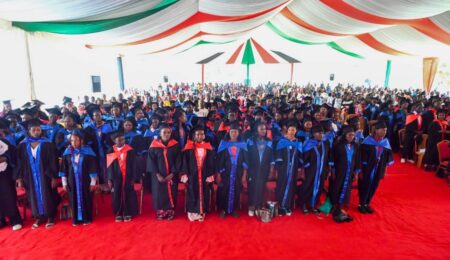









Eight years after the introduction of the Competency-Based Curriculum (CBE) to replace the 8-4-4 education system, the nation is now successfully producing a generation of critical thinkers and adept problem solvers.
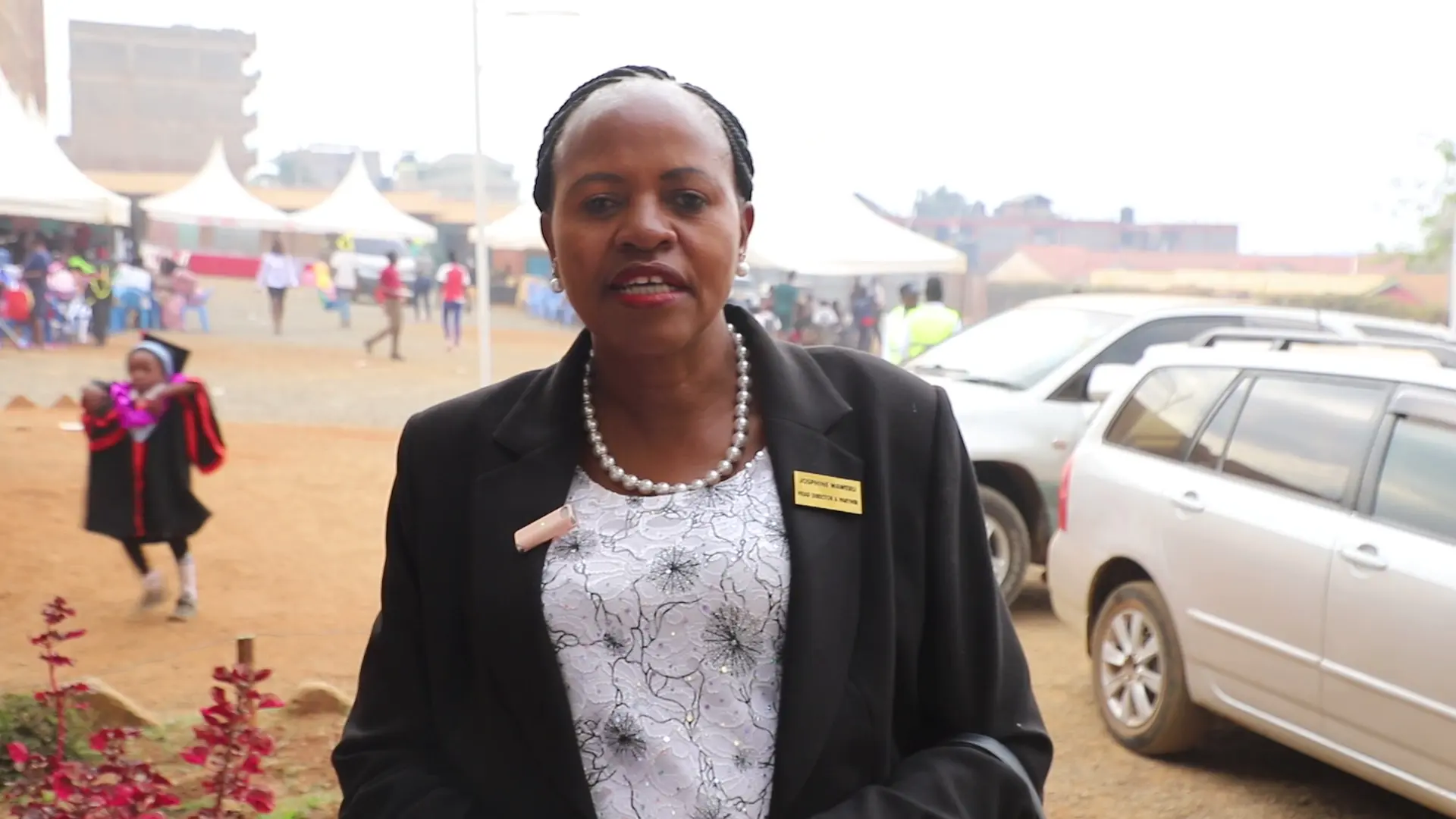
Josephine Wanjiku, an educationist and lecturer at Kenya Methodist University (KeMU), asserts that the new curriculum, now widely known as Competency-Based Education (CBE), has fundamentally transformed the education sector and delivered a positive impact on learners across the country.
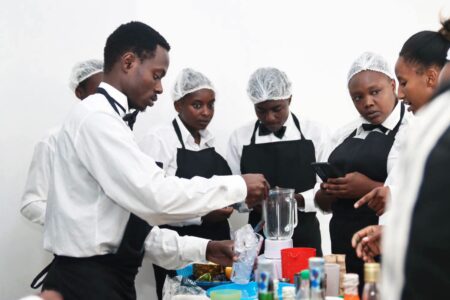
In a recent interview, Wanjiku explained that learners are now being shaped into critical thinkers and problem solvers through an emphasis on hands-on training, industry attachments, and entrepreneurship. She maintained that launching the new curriculum was the best decision the country ever made.
The don, who also serves as the Director at Grasten Academy in Witeithie, Juja, Kiambu County, added that the model introduced individualized learning, which allows students to advance at their own pace. This fosters a friendlier learning environment facilitated by individual progress assessments.
She drew a stark contrast with the past: “Unlike the rote memorization in the previous models, CBE is helping students gain skills through activities like building, crafting, designing among many other activities which is preparing them for the workforce. This model is truly in tandem with the country’s national goals including the government’s Bottom-up Economic Transformation Agenda,” she said.
Wanjiku averred that the new approach has helped learners identify their inherent strengths, enabling them to focus on nurturing and developing their specific talents. This, she predicted, will play a pivotal role in enhancing the country’s socio-economic stability in the near future.
“We have witnessed increased students’ engagement and early specialization through pathways aligned with student strengths has helped increase engagement. This has further seen a significant reduction in dropout rates,” she affirmed.
She also highlighted that the improved curriculum infrastructure has facilitated the rationalization of subjects, thereby making the learning process more streamlined for students. Wanjiku emphasized the need for all stakeholders to collaborate closely to ensure the full implementation and ultimate success of the new model.
Bishop Paul Muhia of AIPCA Church echoed her sentiments, calling the new model transformational and healthy for both current and future generations. He argued that unlike before, learners nowadays can easily identify their strengths and focus on improving them, which will result in productive citizens who will contribute immensely to the growth of society and the nation.
However, Bishop Muhia also called on the government to make necessary interventions to address some of the bottlenecks facing the new model, including ensuring formal training for teachers on CBE implementation.
Bishop Muhia urged action: “The Government should also ensure that we have adequate facilities to handle the practical and hands-on nature of CBE by putting up labs and studios in all institutions. There’s need to bridge the infrastructure gaps required for full realization and implementation of the new model,” he said.
Parents, led by Phillip Mwangi, also lauded the new model, noting that it has encouraged active participation from both parents and the wider community, given that most school programs and projects are tailored to local contexts.
Mwangi celebrated the changes: “Parents are now actively engaging their children through their education journey. Despite the hiccups like high costs of facilitating it, it’s a transformational model. Most of us parents can attest to the changes in behaviors as well as thinking of our kids,” he said.