
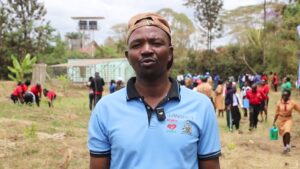
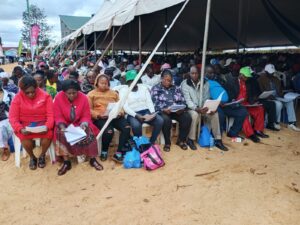






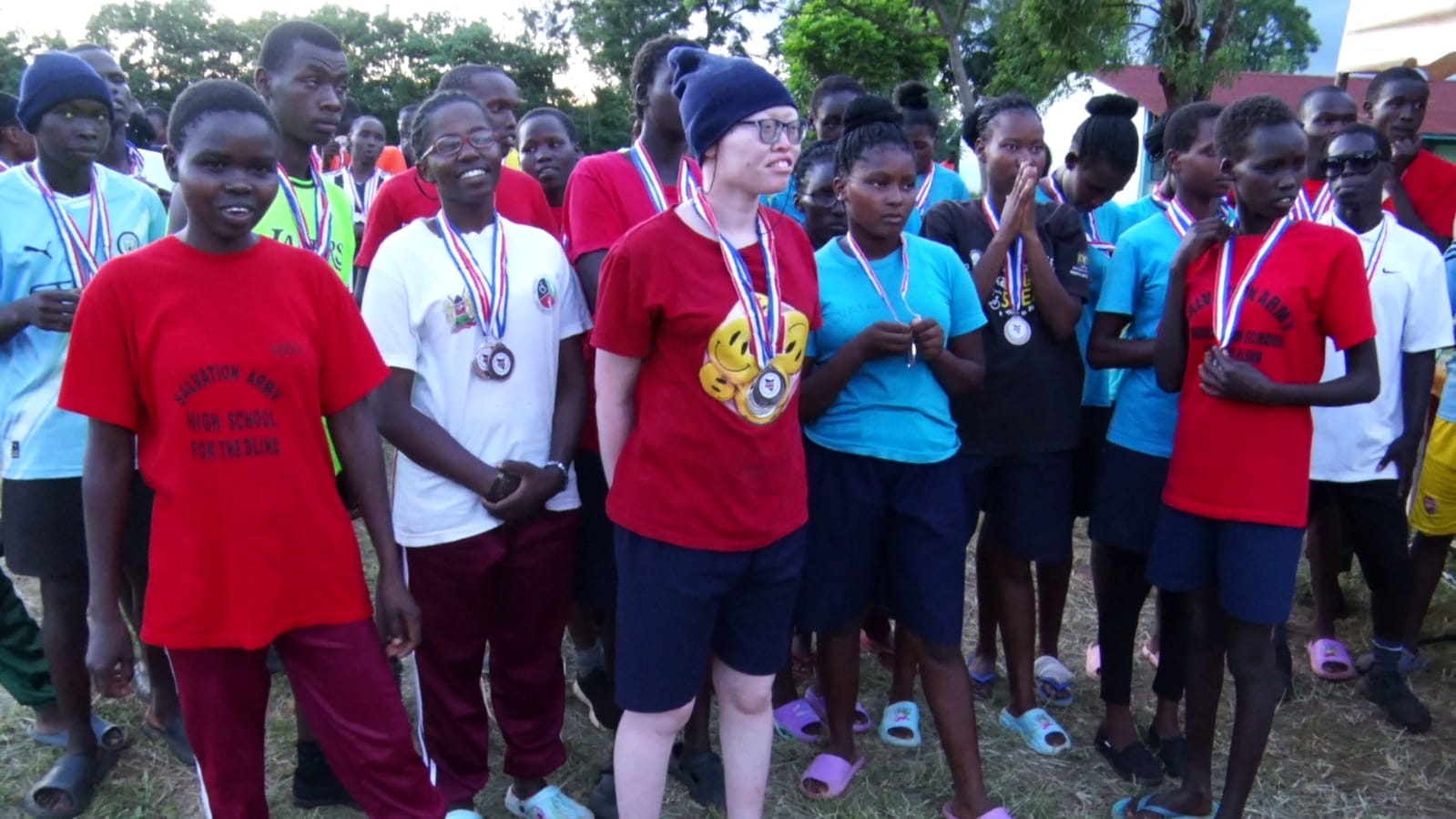
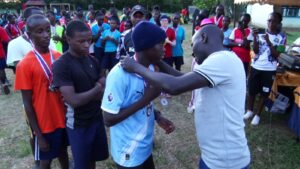
The air at Thika High School for the Blind was thick with competitive spirit and determination this week as the institution hosted a vibrant sports day, proving that visual impairment is no barrier to world-class athleticism.
From the rhythmic thud of sprinters on the track to the heavy clanging of weights in powerlifting, the event served as a powerful reminder of the untapped potential within the disability community. However, beneath the celebration of talent, officials and students issued a poignant call to the government and the private sector to address the dire lack of equipment and the persistent sting of discrimination.

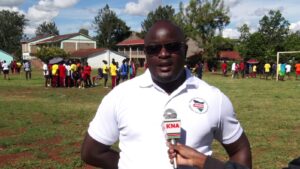
Thika High School for the Blind, a national school and one of the oldest special needs institutions in Kenya, has become a revolving door for international talent. According to the school’s Principal, Grace Kiarie, the institution balances rigorous academics with elite sports, recently ranking third in the sub-county for academic performance.
“Our children are not a burden; they are potential world-beaters,” Kiarie stated. “We have students who have traveled to Turkey and across East Africa, returning with medals and prize money that helps pay their fees and support their families. Some have even bought land and built homes for their parents through their sporting success.”
Representatives from the Kenya Society for the Visually Impaired (KESAVI) and the Kenya Society for the Blind (KSB) were present to scout for the next generation of Paralympians. Kendrick Namal, a KESAVI representative, emphasized that their mission spans all 47 counties to ensure no talent is left behind.
“Thika School has been a great partner. We have found young people here who have won bronze, silver, and gold for Kenya,” Namal said. He urged parents to stop “hiding” children with disabilities at home.
Samson Waweru, Treasurer of the Sports Association for the Blind, echoed this sentiment: “Parents might be hiding gold and diamonds. Take them to school. We are here to nurture these hidden talents into the next Henry Wanyike.”
Despite the triumphs, the path to the podium is paved with significant hurdles. Officials highlighted that specialized equipment for sports like goalball, powerlifting, judo, and chess is prohibitively expensive and often must be imported from Europe.
“We don’t have training equipment in the counties,” Namal explained. “If we want to train students in other regions, we have to carry equipment all the way from Nairobi. We are asking the government to help us decentralize these facilities.”
Waweru pointed out that even basic needs are unmet. “Look at the students running today—many don’t even have the right uniforms. The school’s swimming pool is old and non-functional. We need companies to see this as a worthy CSR investment.”
The true stars of the day were the students themselves. Phanice Nduta, a determined sprinter, shared her dream of becoming the best in the world.
“What encourages me is when I see a blind person beat someone with sight in a race,” Nduta said. “I’ve realized disability is not a barrier. We study with our fingers, we run with our hearts, and the only difference between us and others is our eyes.”
Eugene Nasser, a powerlifter preparing for international competition, noted that sports provide more than just fitness—they provide a livelihood. “We get recognition and money that helps with our challenges. To those who despise us: don’t. We can do what you do, and sometimes, we can do it better.”
Beyond the field, the conversation turned to the future of these athletes in the workforce. Kendrick Namal reminded the central government of the 5% employment quota for persons with disabilities.
“The government says 5%, but we haven’t even reached 2% in public service and parastatals,” Namal noted. “These individuals have brains just like anyone else; they just have different abilities.”
As the sun set on the Thika playing fields, Principal Kiarie left the audience with a sobering reflection on the universality of their cause. “Disability is a class that never ends,” she said. “Anyone, at any time, can become a member. When you realize that, you stop discriminating and start sharing your strength.”