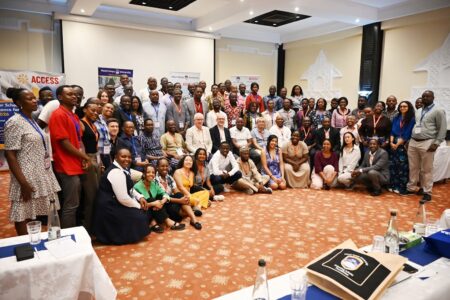









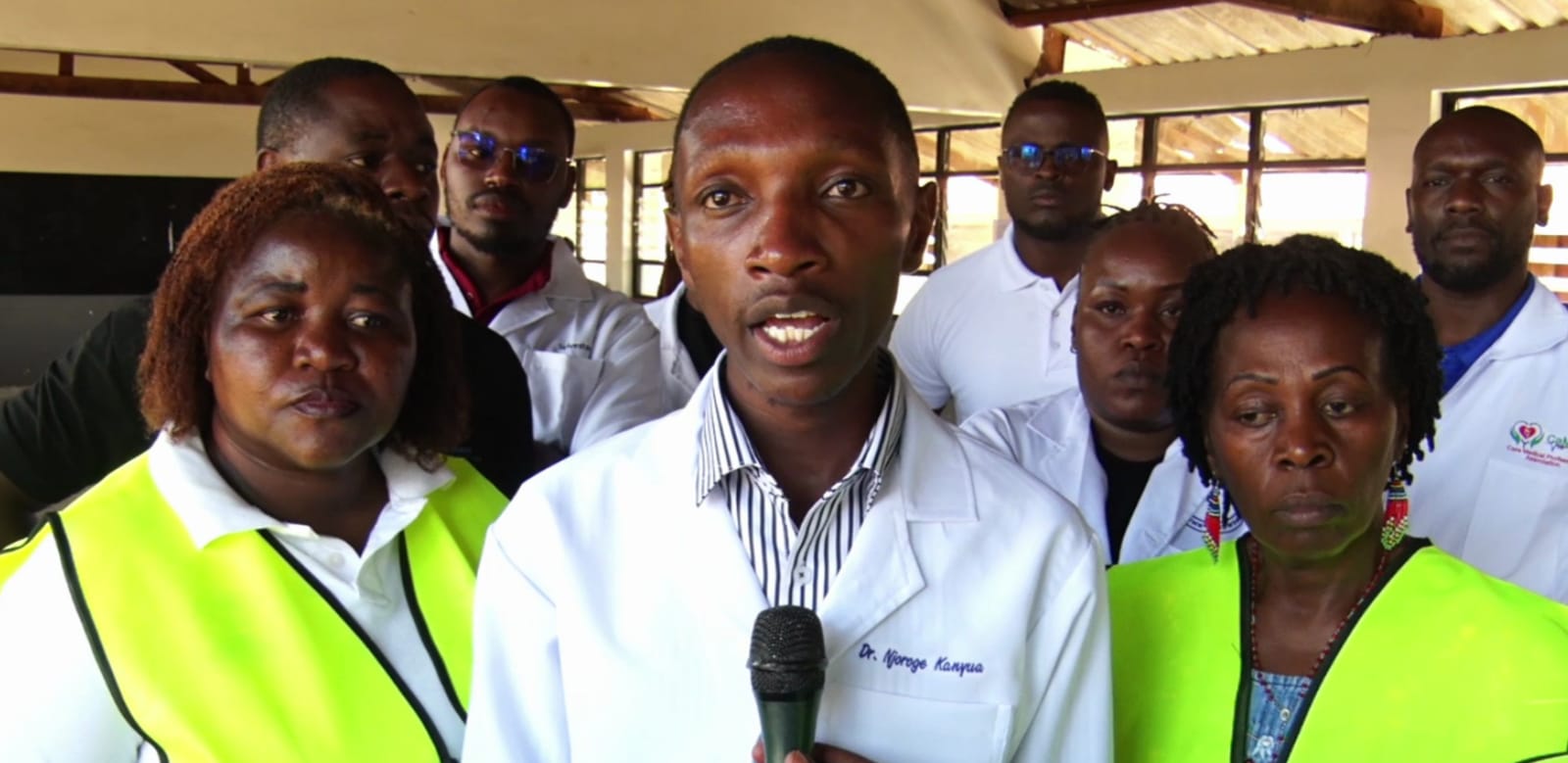
About 3,000 residents of Thika have benefited from free medical services during a health outreach initiative aimed at easing the financial burden of healthcare on low income households amid rising living costs.
The medical camp brought together health professionals, pharmaceutical companies, hospitals and other service providers to offer free screening, consultations, treatment and medication, highlighting the growing need for affordable healthcare, particularly for patients living with chronic illnesses.

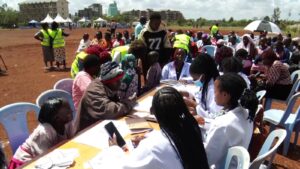
The initiative was organised by the Mount Kenya University (MKU) School of Pharmacy Alumni in partnership with Avenue Hospital, Mary Help of the Sick, Tiba Mtaani, AAR, Medipal, Mychemist, Weite Dental Clinic, St Mary’s Oncology Clinic, Optica and Neema Opticals.
Speaking during the exercise, MKU School of Pharmacy Alumni President Dr Njoroge Kanyua said the outreach was informed by concerns over the escalating cost of medical services, which has left many families unable to access timely treatment.
Dr Kanyua said the alumni association was committed to sustaining the medical camps as part of efforts to bridge gaps in healthcare access, particularly among disadvantaged communities.
He called on other organisations, pharmaceutical companies and private healthcare providers to complement government efforts by supporting initiatives that bring essential medical services closer to the public.
His sentiments were echoed by the association’s Secretary, Tabitha Auma, who pointed to the difficulties faced by patients who receive prescriptions in hospitals but are subsequently unable to purchase the recommended medicines because of financial constraints.
She said access to diagnosis alone was insufficient if patients could not afford the drugs needed to manage their conditions, warning that financial barriers could undermine treatment and expose patients to further complications.
MKU School of Pharmacy Alumni Organising Secretary Silvester Muchui raised concern over the prevalence of diabetes among those screened, urging members of the public to adopt healthier lifestyles and reduce their consumption of sugary foods.
He emphasised the importance of preventive healthcare, noting that lifestyle choices, regular medical checks and early intervention could help reduce the burden of non communicable diseases.
MKU School of Pharmacy President Brenda Muthoni called for more affordable medicines, particularly for patients battling chronic conditions who require continuous treatment and regular access to prescriptions.
She noted that the high cost of medication remained a major obstacle for patients who must sustain treatment over extended periods, making affordability a critical component of effective healthcare delivery.
Meanwhile, Hope Nyaguthii, a student leader at the MKU School of Health Sciences, encouraged residents to embrace routine medical screening and early diagnosis, warning that delayed detection could result in complications that are more difficult and expensive to manage.
Britam Insurance Company also used the outreach to provide financial planning guidance to people living with diabetes, focusing on how they could manage household finances while meeting the recurring costs associated with long term treatment.
Community representative Anastacia Njoki said the rising cost of healthcare was placing considerable pressure on families, with some patients increasingly relying on well wishers to obtain medicines and maintain the recommended diets.
She urged the government to strengthen the Social Health Authority (SHA) framework to ensure patients with chronic conditions, particularly diabetes and kidney disease, receive comprehensive and reliable medical cover.
Njoki said vulnerable households should not be left struggling to raise money for essential treatment, arguing that access to healthcare should not depend on an individual’s financial ability.
The concerns were also raised by beneficiaries, who said the medical camp had provided much needed relief to residents who would otherwise have struggled to meet the cost of consultations, screening and medication.
Agnes Wambui and Samuel Ngumba thanked the organisers and participating healthcare providers, saying the initiative had enabled them to access essential medical services without incurring expenses that could have strained their household budgets.
They, however, expressed concern over persistent gaps in healthcare financing, saying patients continued to face significant out of pocket expenses that made it difficult for low income families to maintain consistent treatment.
Another beneficiary, Margaret Wambui, who is living with diabetes and hypertension, claimed that some patients registered under SHA were still being required to pay for consultations, diagnostic tests and medication in public health facilities.
She further alleged that some patients were turned away when the digital system was reportedly experiencing technical challenges, raising questions about the reliability of access to services under the new healthcare financing arrangement.
The concerns come amid growing calls for stronger safeguards to ensure that the transition to the SHA system translates into affordable, accessible and uninterrupted healthcare, particularly for people requiring lifelong management of chronic diseases.
During the Thika outreach, residents received free screening and medical attention for diabetes, high blood pressure, breast cancer, dental and eye conditions, as well as physiotherapy services and other health complications.
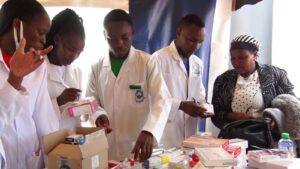
Free medication was also distributed to beneficiaries as the organisers sought to address both the diagnosis and treatment needs of the community.
The exercise underscored the importance of partnerships between universities, healthcare institutions, pharmaceutical companies and private sector players in expanding access to medical services, even as calls intensify for more sustainable solutions to the country’s rising healthcare costs.